If you are thinking about buying in Richland, you are probably wondering what day-to-day life actually feels like once the boxes are unpacked. That is an important question, because the right home is not just about square footage or price. It is also about your commute, your errands, your weekends, and how your neighborhood fits your routine. This overview will help you picture everyday life in Richland so you can choose an area that fits how you want to live. Let’s dive in.
Richland at a glance
Richland is a mid-sized city in the Tri-Cities with a 2025 population estimate of 64,372 spread across 39.23 square miles, according to the U.S. Census QuickFacts for Richland. That scale matters when you are home shopping because it often means your daily life will be shaped by connected pockets of housing, shopping, recreation, and city services rather than one dense downtown.
The same Census profile reports a 64.4% owner-occupied housing rate, a median owner-occupied home value of $436,700, a median gross rent of $1,468, and an average commute time of 20.4 minutes. Richland also functions as a full-service city, with local government handling utilities, garbage collection, parks, library services, street maintenance, planning, police, and fire. For you as a buyer, that points to a place where everyday routines tend to feel organized, suburban, and practical.
Getting around Richland
Driving is still the default
Richland is a very drivable city, and for most households, a car will still be part of daily life. At the regional level, the Washington State Department of Transportation Tri-Cities mobility dashboard identifies US 395 and SR 240 as key commute and economic corridors, with peak traffic generally running from 6 to 8 a.m. and 3 to 6 p.m.
WSDOT also reports that vehicle delay increased in 2023 compared with 2022 across SR 240, I-182, and US 395. In real life, that means getting around is usually straightforward, but cross-town and cross-river trips are easier when you plan around rush hour. If you will commute outside your immediate part of Richland, location can make a noticeable difference in your week.
Transit works in select areas
If you want to reduce how often you drive, Richland offers more options than some buyers expect. Ben Franklin Transit’s frequent-service corridor includes Route 2X between the Knight Street Transit Center in Richland and the 22nd Avenue Transit Center in Pasco, with service to places like the Tri-Cities Airport and Columbia Basin College.
Ben Franklin Transit also operates CONNECT microtransit zones in Central Richland and Columbia Center & South Richland. For some residents, that makes car-light living possible for at least part of the week, especially in more connected pockets. Most buyers will still want a vehicle for flexibility, but transit can help depending on where you settle.
Trails support daily movement
Richland is also built for biking and walking in ways that shape daily life. The city says it has more than 170 miles of trails and bike paths, and Howard Amon Park anchors a 7-mile Riverfront Trail that connects into the 23-mile Sacagawea Heritage Trail.
That trail network is not just a weekend feature. For many residents, it becomes part of a normal routine, whether that means morning exercise, an evening walk, or quick riverfront access after work. If that matters to you, where you buy in Richland can have a big impact on how often you actually use those amenities.
Richland living by area
South Richland and Badger Mountain South
If you are drawn to newer construction and a more planned suburban feel, South Richland stands out. The city describes Badger Mountain South as a 1,480-acre master-planned community intended to include 5,000 homes, businesses, and other community activity.
Richland is also improving Dallas Road in that area with roundabouts, sidewalks, ADA crossings, and utility and fiber work. For a buyer, that suggests a routine shaped by newer infrastructure, organized growth, and a neighborhood pattern that feels intentionally laid out. If you want a home in a newer-growth part of town, this is one of the clearest places to start.
There is one practical detail worth knowing before you buy. The city notes that South Richland residents are served by irrigation districts rather than the city irrigation system. It is a small detail on paper, but utility and irrigation setup can affect your experience after move-in, so it is worth asking about early.
Columbia Point and the riverfront
If river access and outdoor recreation are high on your list, Columbia Point has a strong everyday lifestyle appeal. The area sits near Howard Amon Park, Columbia Point Marina Park, and the riverfront trail system, and the city includes Columbia Point in its irrigation service information.
This part of Richland tends to offer a daily rhythm that feels tied to the water, nearby paths, and easy access to outdoor time. That can make a real difference if you want your neighborhood to support walks, bike rides, or relaxed evenings near the river. Buyers who want a more amenity-rich routine often find this area especially appealing.
Central Richland, Parkway, and Uptown
For buyers who want a more in-town feel, Central Richland often stands out. The city highlights the Parkway, Uptown Shopping Center, local small businesses, the Richland Public Library, and arts and music activity in its Explore Richland resources.
The Parkway area also hosts Market at the Parkway on Fridays from June through October. If you like having errands, events, and gathering places grouped closer together, this part of Richland may fit your style. It offers one of the clearest examples of a daily routine that feels more connected and less spread out.
North Richland, Horn Rapids, and Meadow Springs-Willowbrook
North-side pockets can feel different from central and riverfront Richland. The city’s irrigation system information references Horn Rapids, Smart Park, and Meadow Springs-Willowbrook, while the city also notes growth in the Horn Rapids Business Center and development activity tied to Henderson Loop.
For buyers, these areas may suggest a more car-oriented routine and roomier development patterns. That can be a plus if you prefer a setting that feels less compact or if you are looking for newer infrastructure and expanding areas. Your errands may be less walkable here, but you may gain space and a different pace.
Why the river shapes daily life
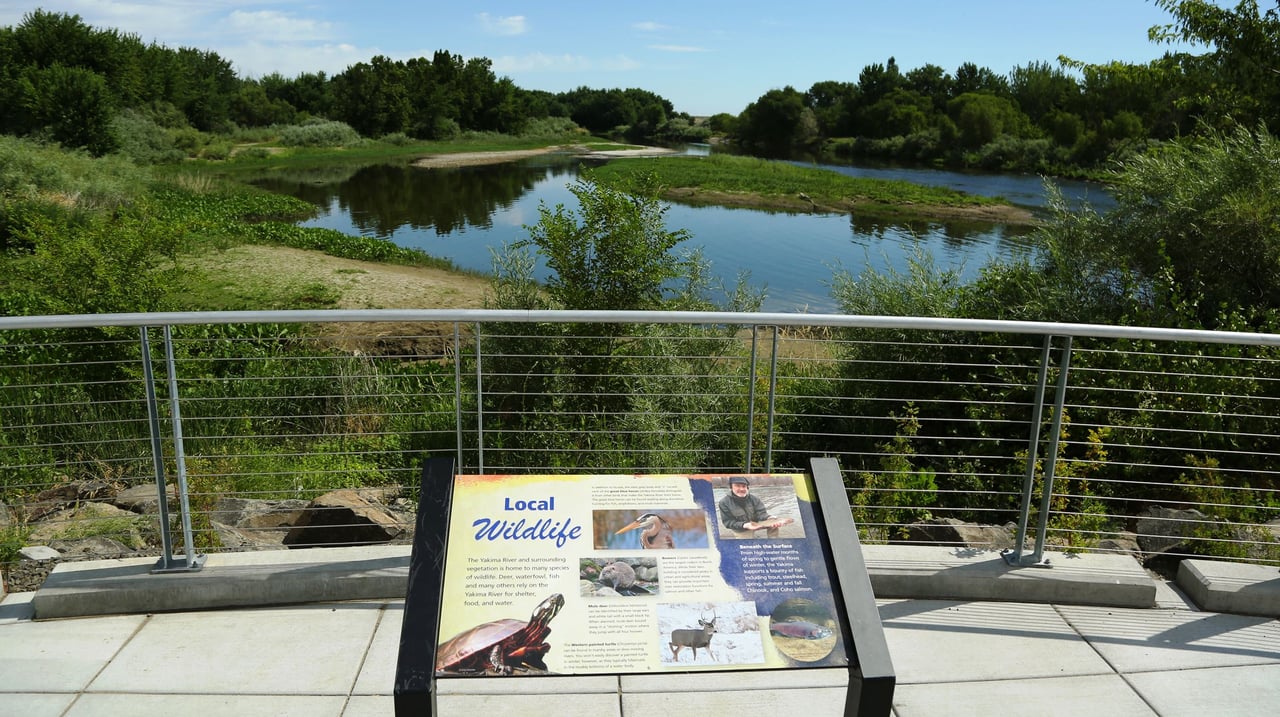
One of Richland’s most defining features is how much the riverfront shows up in normal life. The city’s Adventure in Richland guide highlights Howard Amon Park, scenic overlooks, playgrounds, a climbing wall, Sturgeon Cove, tennis courts, kayak and paddleboard rentals, Bateman Island, Amon Basin, Chamna Park Preserve, W.E. Johnson Park, Columbia Point Marina Park, Columbia Park West, and the Lewis & Clark Overlook.
That variety makes it easier to build outdoor time into your week without a lot of planning. In some cities, recreation feels like a separate event. In Richland, it can feel more like a built-in part of the day, especially if you choose a home near the river, trail links, or key parks.
City services and community rhythm
Richland’s day-to-day appeal is not only about housing and recreation. It is also about how city services, civic spaces, and public investment support a steady lifestyle. The city points residents toward the Richland Public Library, the Richland Community Center at 500 Amon Park Drive, the Parkway district, and ongoing planning work through Future in Focus, along with transportation and walkability improvements like South George Washington Way and the Downtown Loop, as outlined in its arts and community resources.
For buyers, that signals a city that is actively maintaining and improving the places people use every day. You may not think about planning documents or infrastructure upgrades when you first start your home search, but they can shape how convenient and connected an area feels over time.
What buyers should consider first
When you are comparing homes in Richland, try to think beyond the house itself. A great fit often comes from matching your routine to the right part of town.
Ask yourself:
- Do you want newer construction and a more planned suburban layout?
- Do you want river access and easy outdoor recreation nearby?
- Do you want a more connected area for errands, community spaces, and events?
- Do you mind driving more if it means roomier development patterns?
- Will your commute require regular cross-town or cross-river travel?
- Are utility details like irrigation service important to your property use?
Those questions can help narrow your options quickly. In Richland, the feel of daily life can change a lot from one pocket to the next, even within the same city.
Buying in Richland works best when you look at both the property and the lifestyle it supports. If you want help comparing neighborhoods, commute patterns, or the kind of home that fits your next chapter, Desert Edge Realty Group is here to help you make a confident move.
FAQs
What is everyday life like for homebuyers in Richland, WA?
- Everyday life in Richland often feels suburban, organized, and outdoor-friendly, with routines shaped by your specific area, commute needs, and access to riverfront amenities, trails, and services.
Is Richland, WA easy to get around without a car?
- In some parts of Richland, transit and trail access can support car-light living, especially near Central Richland or areas served by Ben Franklin Transit, but most households will still use a vehicle for at least some errands and commuting.
Which part of Richland, WA feels newest?
- South Richland, especially around Badger Mountain South, is one of the clearest newer-growth areas, with planned development, infrastructure work, and a more recently built suburban feel.
Which Richland, WA areas have strong river access?
- Columbia Point and nearby riverfront areas stand out for easy access to Howard Amon Park, Columbia Point Marina Park, the Riverfront Trail, and other outdoor spaces along the Columbia River.
What should buyers know about utilities in Richland, WA neighborhoods?
- One important detail is irrigation service, because South Richland is served by irrigation districts rather than the city system, while places like Columbia Point, Horn Rapids, Smart Park, and Meadow Springs-Willowbrook are part of the city-serviced irrigation areas.