Wondering whether to buy an older home with Richland history or a new build with modern finishes? You are not alone. For many buyers, this choice comes down to lifestyle, budget, and how much day-one work you want to take on. If you are comparing established neighborhoods with newer growth areas in Richland, this guide will help you weigh the real tradeoffs and decide what fits you best. Let’s dive in.
Richland Offers Two Very Different Paths
Richland has a housing story that spans decades. The city’s roots go back to the 1940s war-era buildout, and that history still shows up in many of its older neighborhoods today. At the same time, south Richland continues to grow, giving buyers access to active new-construction communities and newer home designs.
That means your decision is not just about square footage or finishes. In Richland, you are often choosing between an established setting with historical character and a newer area built around current construction standards, modern layouts, and future development.
What Older Character Homes Offer
Older Richland homes are closely tied to the city’s early development, especially in central Richland and areas connected to the Manhattan Project era. The city describes the Gold Coast District as a temporary housing development with unique floor plans for war-era military communities, and it was listed on the National Register of Historic Places in 2004.
Many of these homes reflect planning ideas from another era. Richland’s housing history notes features like lettered house types, duplexes and single-family homes, homes set back from the street, rear alleyways or interior walks, many windows for cross-ventilation, and in some cases full basements.
Character and layout differences
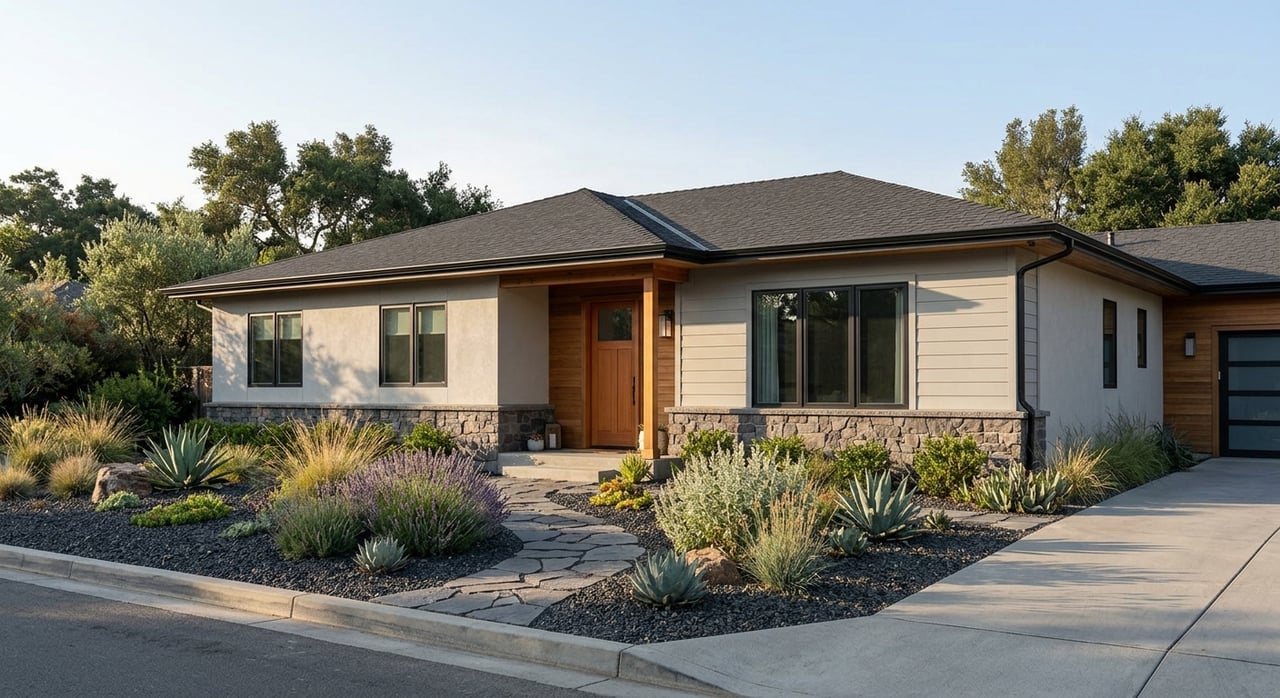
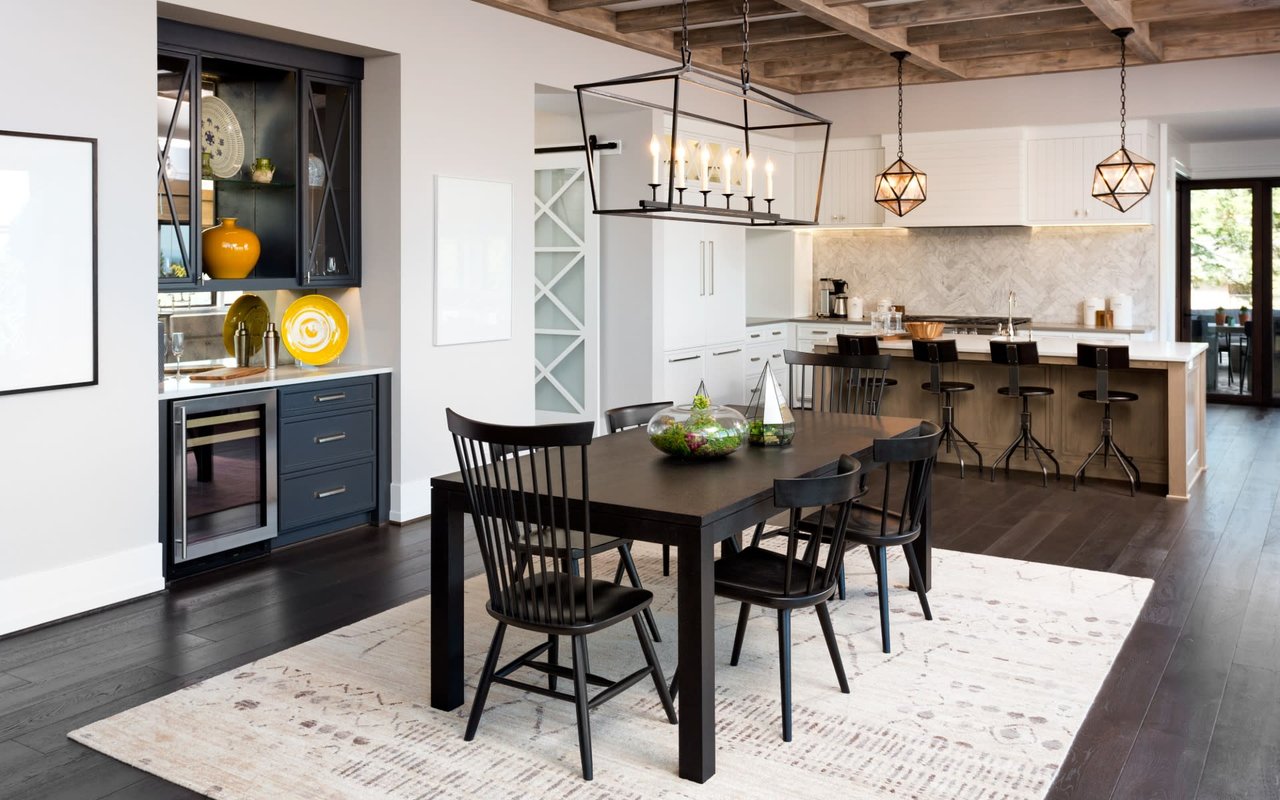
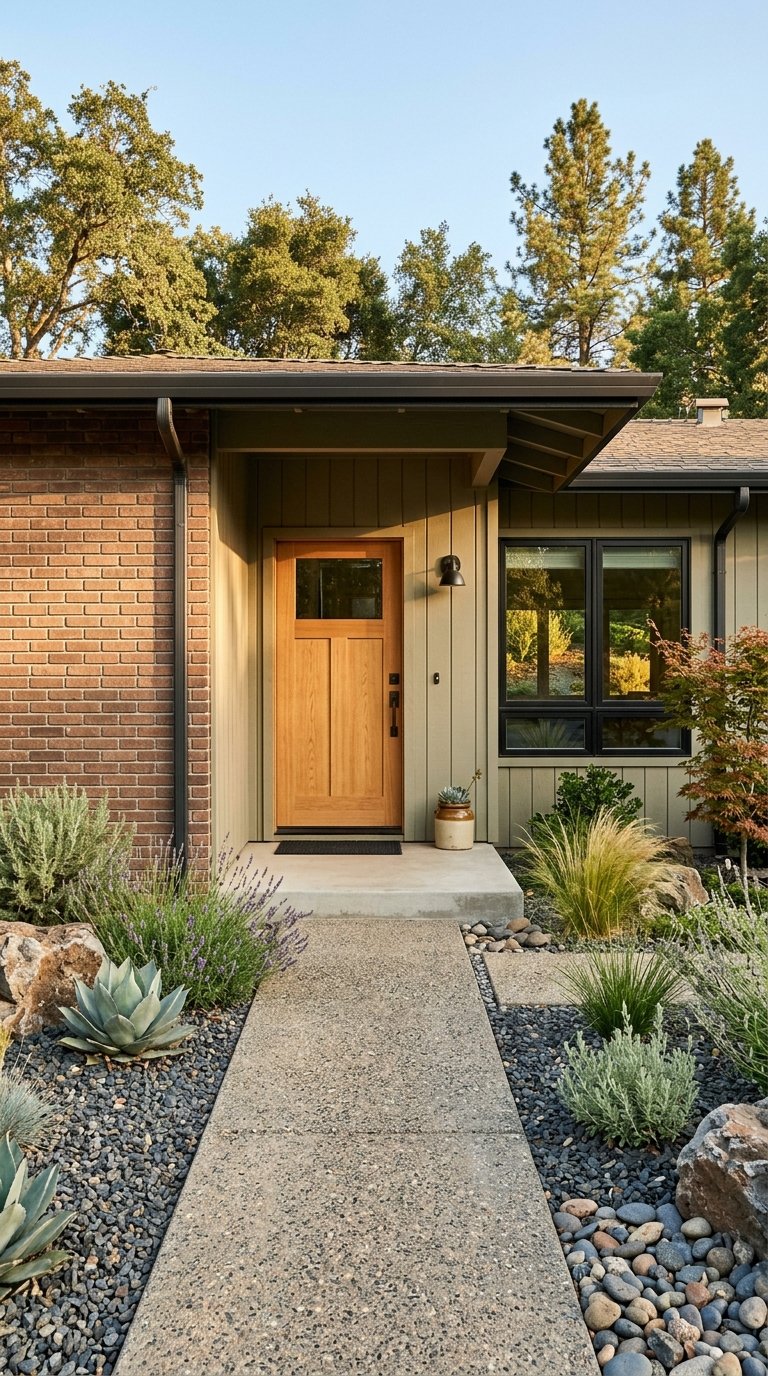
If you like homes that feel distinct, older Richland neighborhoods may stand out to you. Some early homes included cedar shake siding and oak flooring, and many have a layout that feels more traditional and segmented than newer open-concept designs.
For some buyers, that separation is a plus. You may prefer more defined rooms for privacy, quieter work-from-home space, or simply a floor plan that feels less wide open.
Established streets and neighborhood feel
Another draw is the setting itself. Older areas often have an established street pattern and block design that feels settled rather than newly platted.
That can change your daily experience of a neighborhood. Mature surroundings, older lot patterns, and long-developed streets often appeal to buyers who want a sense of continuity and local history.
The tradeoffs with older homes
Charm does not erase maintenance. Because these homes have had more time to accumulate wear, it is smart to look closely at the condition of major systems and structural components.
When you tour an older Richland home, pay special attention to:
- Roof age
- Window condition
- Plumbing updates
- Electrical service
- Insulation levels
- Foundation or crawlspace condition
- Any documented weatherization or modernization work
Some older homes have been thoughtfully updated over time. Others may still need significant work behind the walls or under the roofline. If a listing highlights charm but gives little detail on system upgrades, you may want to build a larger repair reserve into your budget.
What New Builds Offer
Richland’s biggest new-construction story is in Badger Mountain South. The city describes it as a 1,480-acre master-planned community intended to include 5,000 homes, businesses, and other community activities.
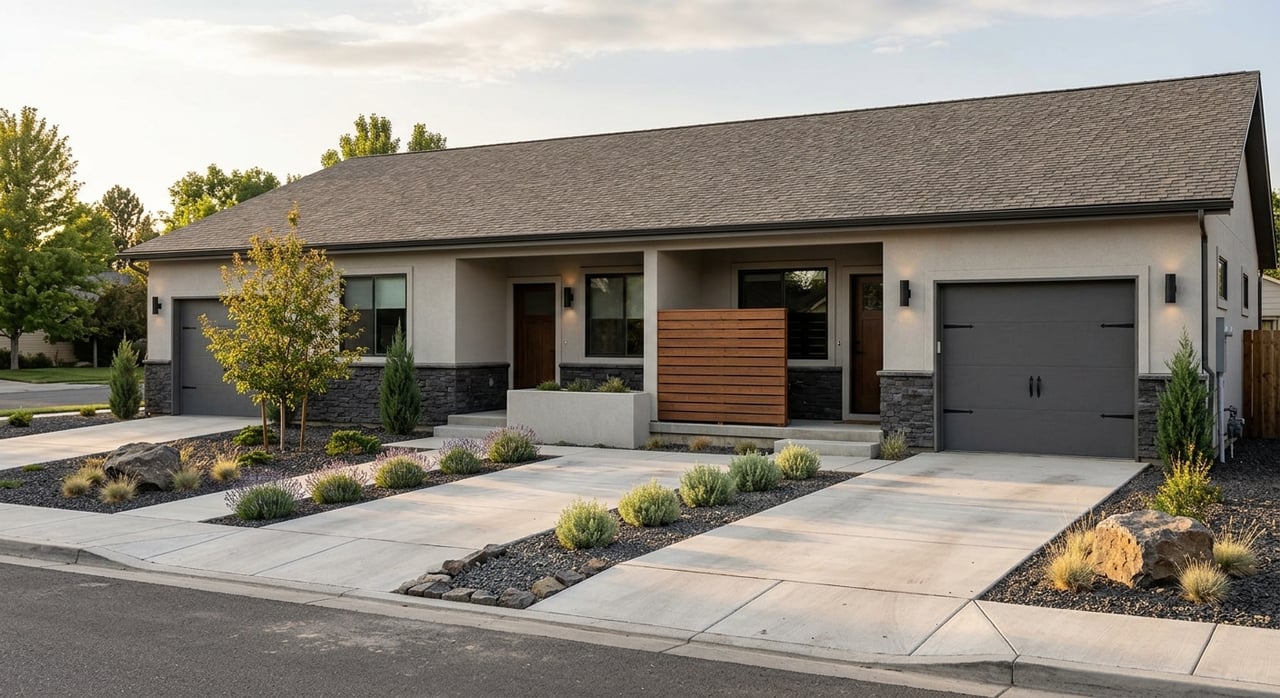
This part of Richland includes a broad housing mix. According to the city, the plan includes single-family homes, duplexes, townhomes, over-55 apartments, and future multifamily residences, along with more than 200 acres of parks and open space, future schools, and on-site fire and police services.
Modern layouts and day-one livability
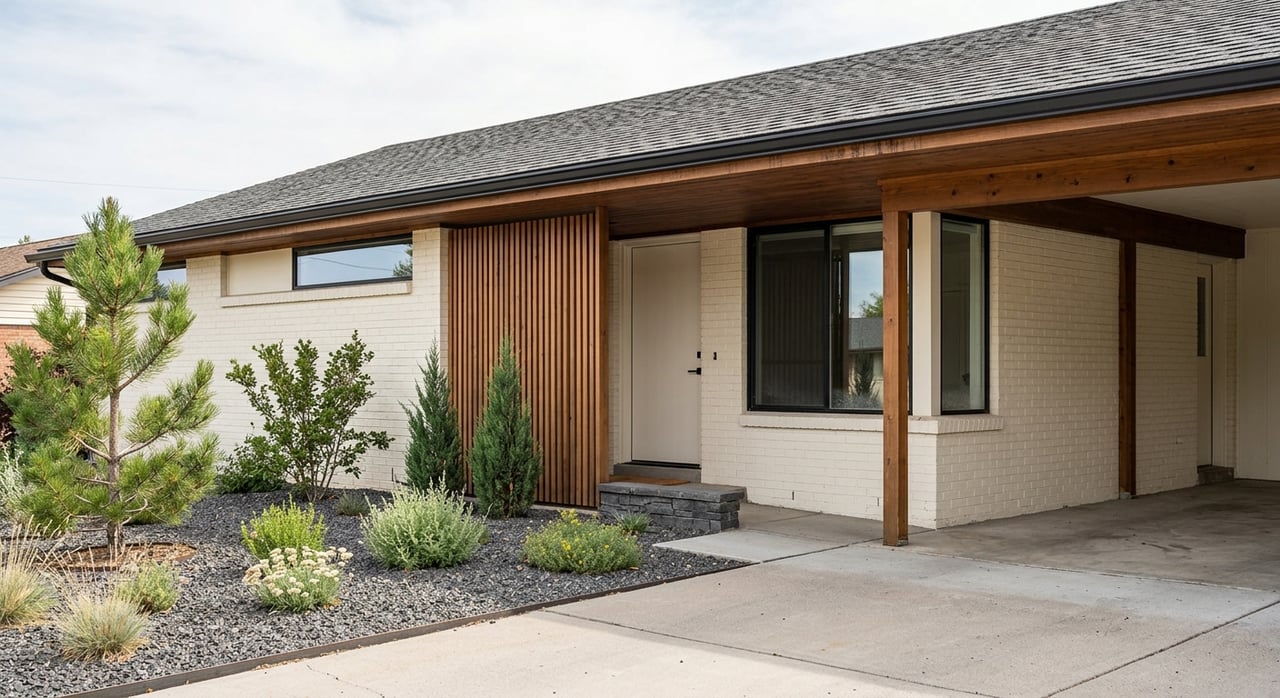
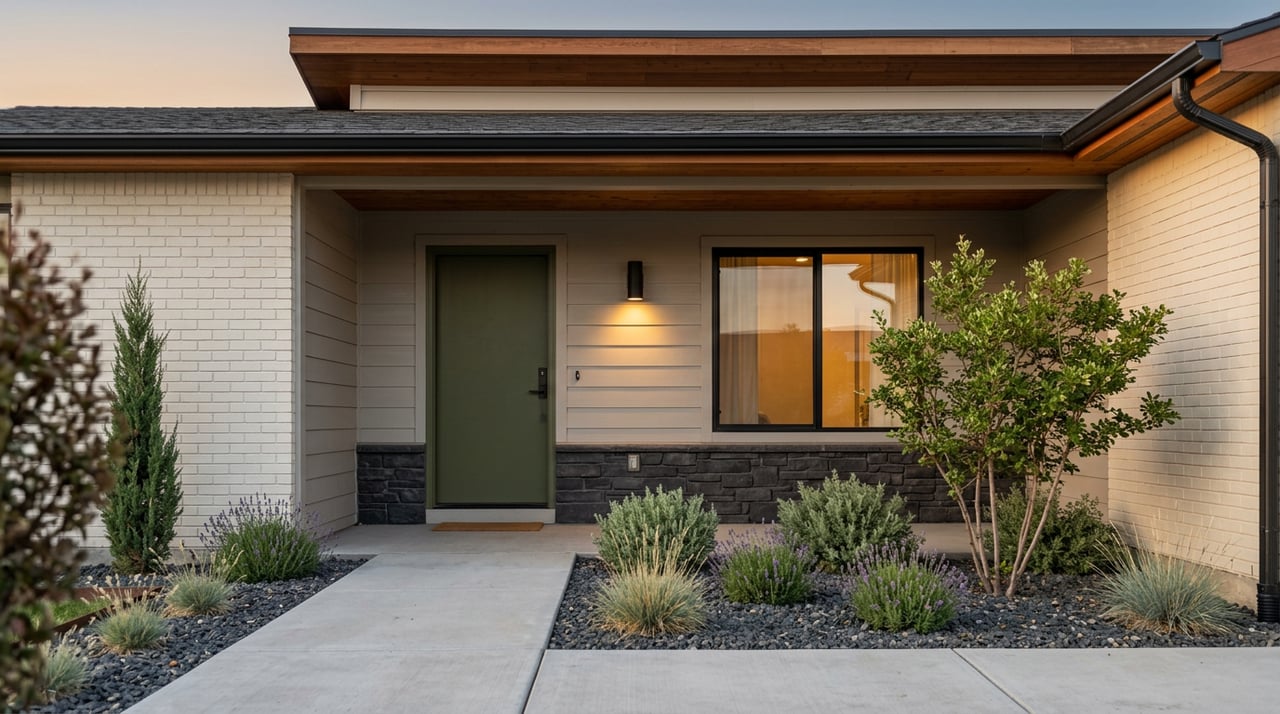
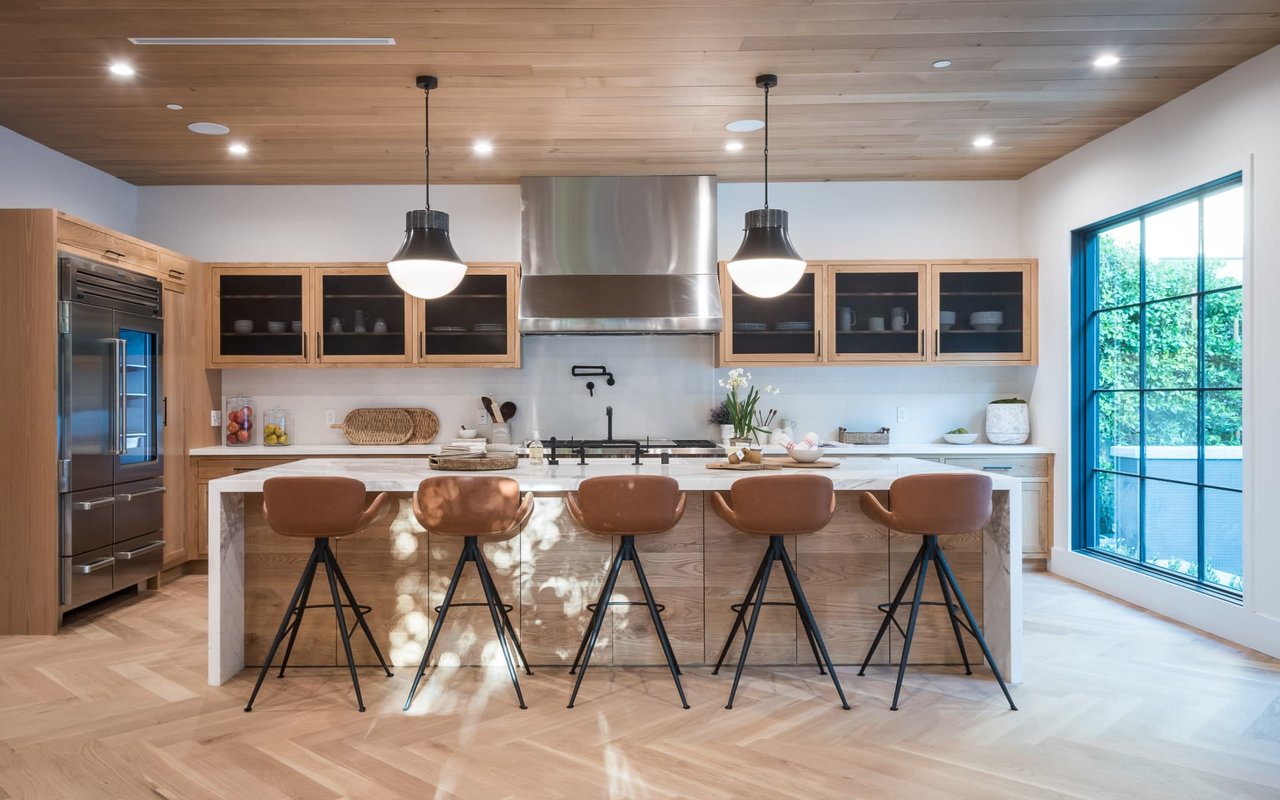
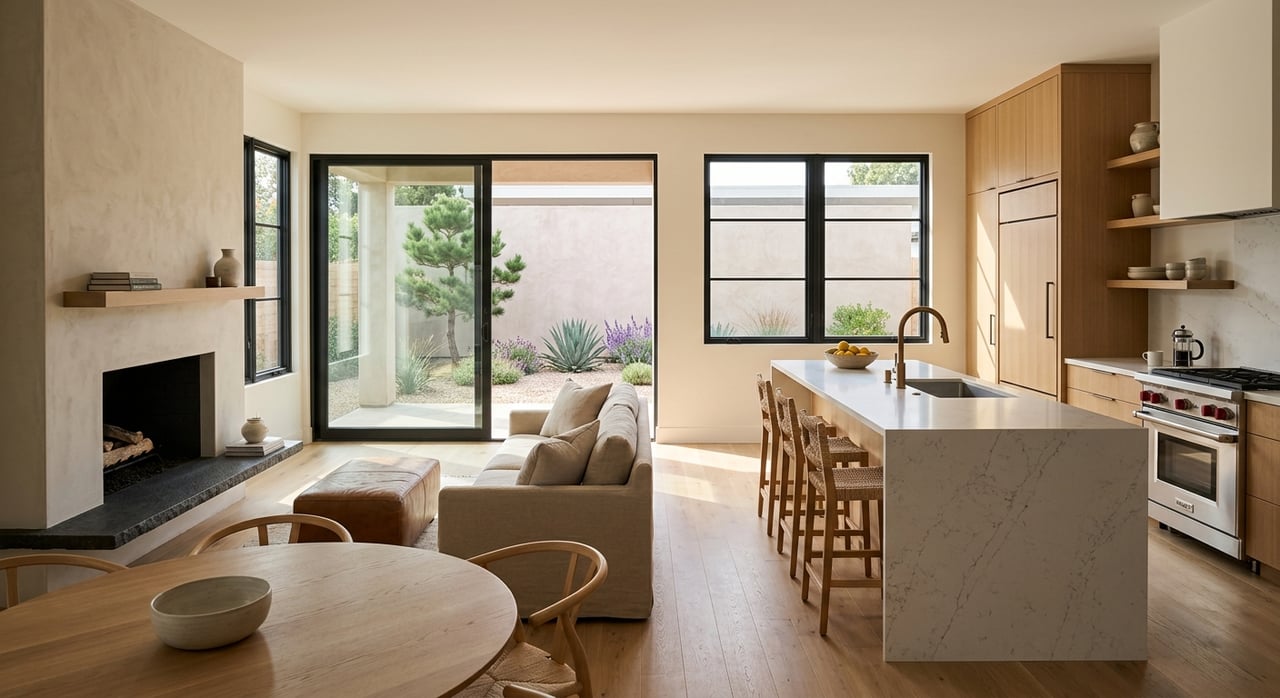
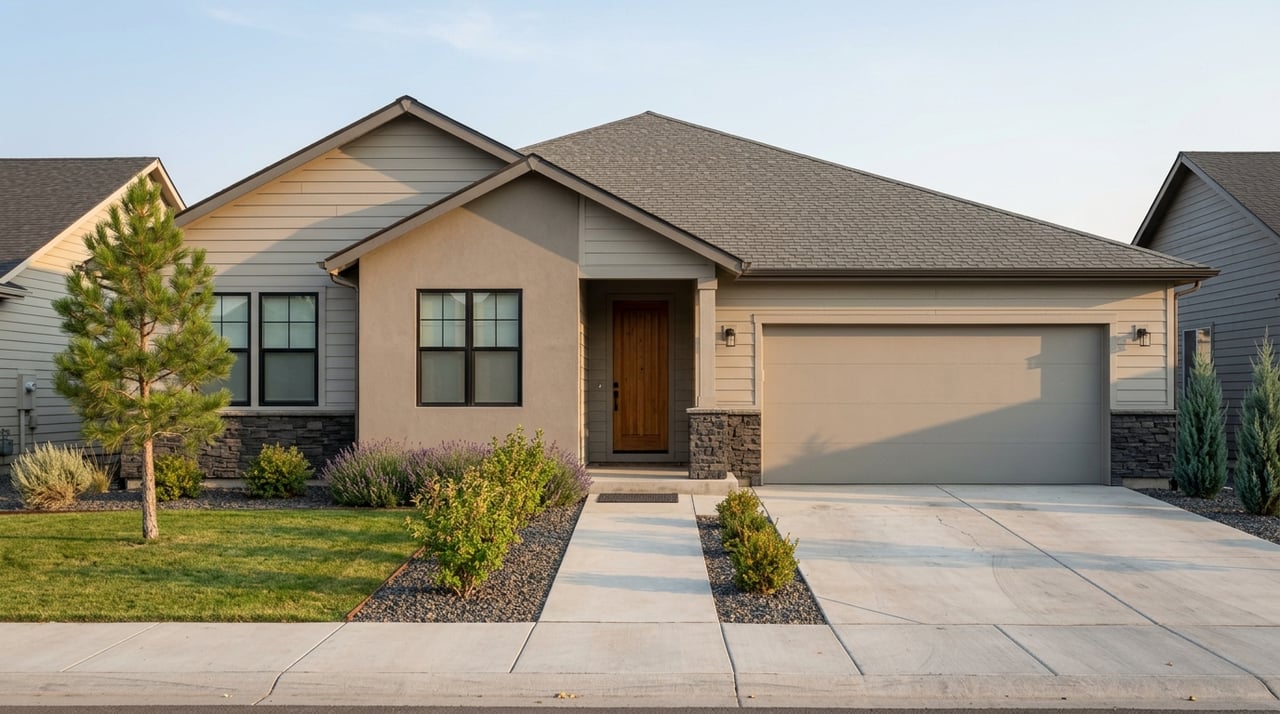
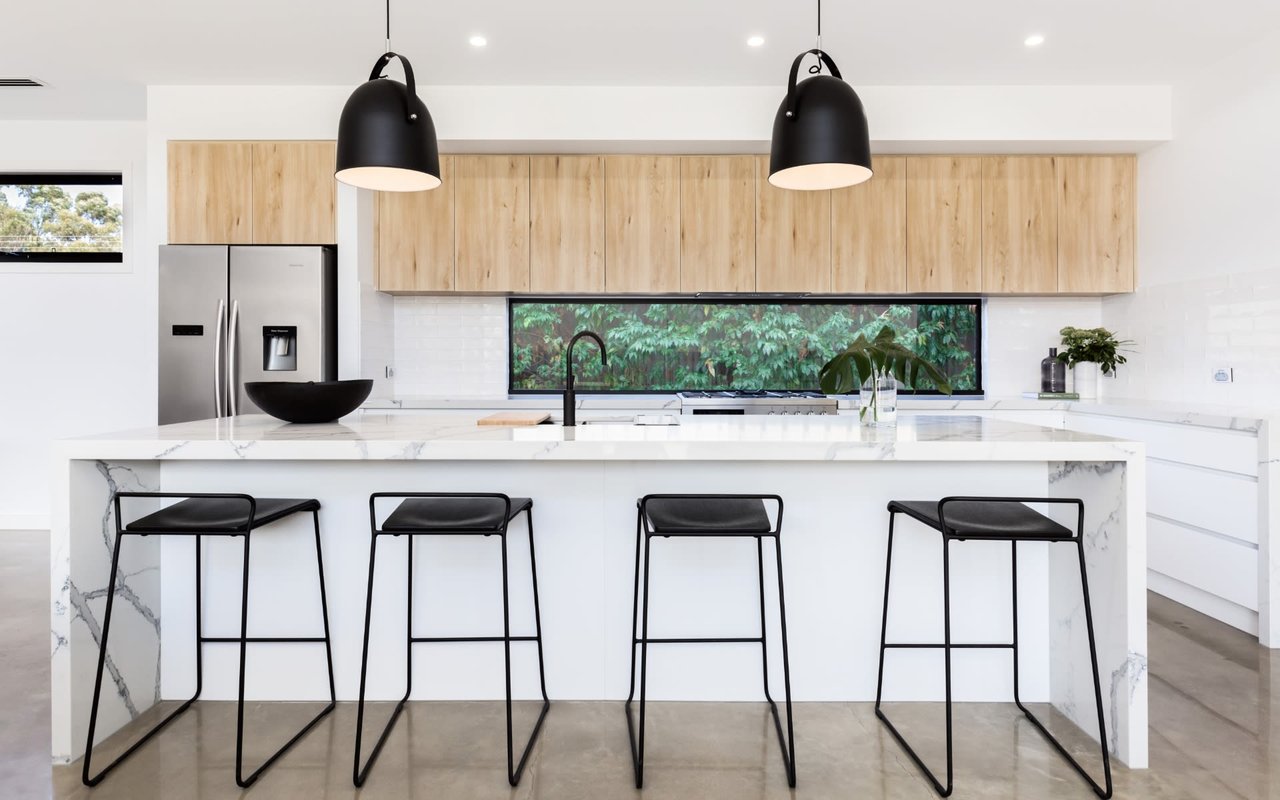
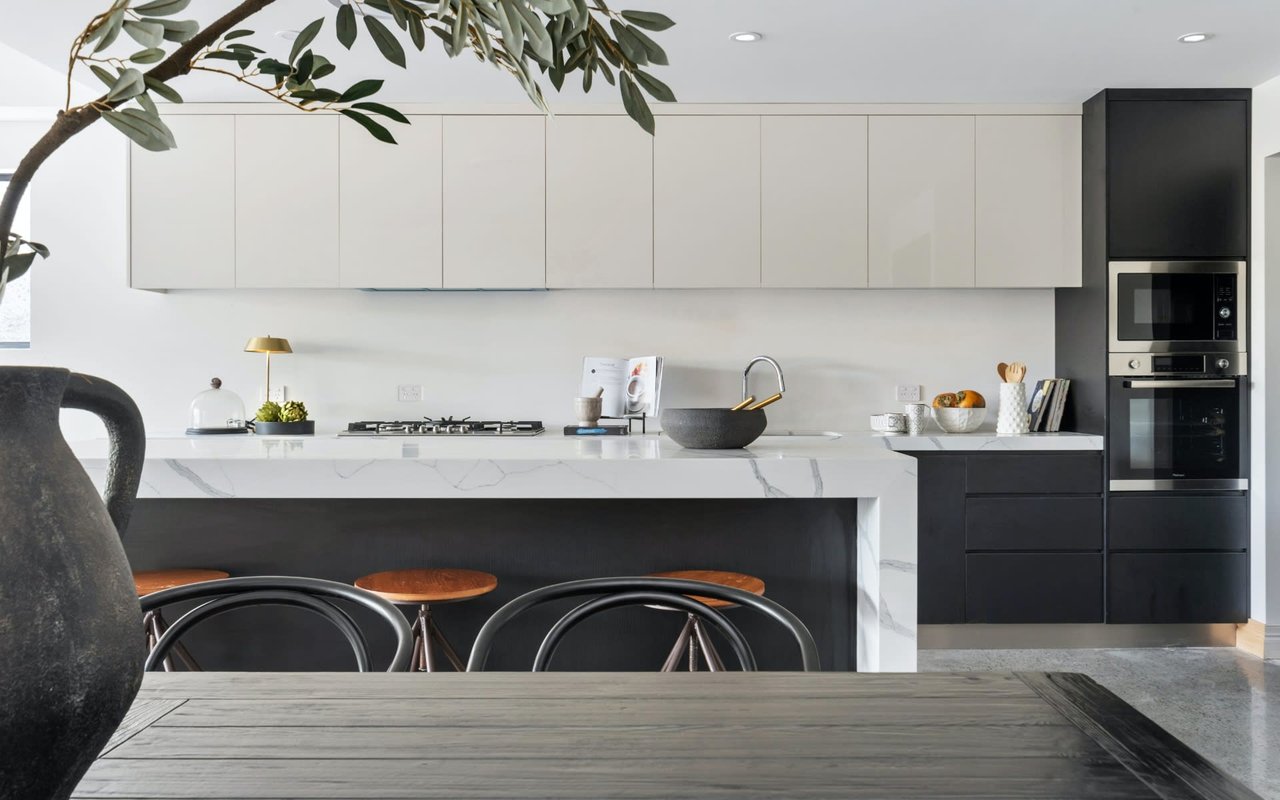
New-home plans in Badger Mountain South commonly emphasize features many buyers ask for today. These often include open-concept living, flex rooms or dens, optional fourth bedrooms, 3-car garages, and energy-efficient construction.
In practical terms, that can mean fewer immediate repair surprises and an easier move-in experience. If you want current finishes, open sightlines, and systems that are brand new, a new build may feel simpler from the start.
What new construction means in practice
New homes in Richland go through the city’s permitting and inspection process. Richland’s Building Permit and Inspection office regulates construction, repair, alteration, demolition, and occupancy in the city. The city also notes that Washington implemented the 2021 Building Codes and Washington State Energy Code on March 15, 2024.
For electric service on new residential construction, Richland says customers must obtain a Washington L&I electrical work permit. The installation must be inspected and approved before Richland Energy Services connects service, and underground conduit inspections are required before backfilling.
For buyers, this does not remove every question, but it does mean new construction follows a current local process. That can add a level of predictability many buyers appreciate.
The tradeoffs with new builds
Newer homes are not automatically the right fit for everyone. While they often offer lower immediate maintenance risk, they can also feel more standardized in design.
You may also be buying into an area that is still developing. City news in 2026 points to ongoing road and utility work tied to the Gage Boulevard extension and the South Orchard area, which reinforces that parts of south Richland are still being built out.
If you love the idea of everything feeling finished on day one, that is worth considering. Some buyers are happy to trade temporary construction activity for newer infrastructure and a master-planned setting. Others would rather move into an established street where the neighborhood has already settled in.
Budget Matters More Than You Think
No matter which direction you lean, your budget should go beyond the mortgage payment. Richland’s median owner-occupied home value is $436,700, and the median monthly owner cost with a mortgage is $2,108. In Benton County overall, those figures are $407,800 and $1,993.
That gives useful context, but your true monthly cost may depend on the home’s age, condition, utility use, and how much work you expect to do after closing. The smartest comparison is not just older versus newer. It is total ownership cost versus your comfort level.
Older homes may need repair reserves
With an older home, you may want more cash set aside for maintenance and system updates. Even if the house has been renovated, age still matters when you think about roofs, insulation, plumbing, electrical service, and long-term upkeep.
A home with strong character can absolutely be the right move. You just want to go in with clear expectations and a plan.
New builds may need finishing and utility planning
With new construction, your surprise costs may look different. Instead of immediate repairs, you may be budgeting for landscaping, window coverings, appliances depending on the builder package, or other finish-out decisions after move-in.
Utilities also deserve attention. Richland City Council approved an 8.5% electric rate increase for all customer classes beginning January 1, 2026, so it makes sense to include utility assumptions in your monthly planning.
Richland’s Climate Affects Both Choices
Richland’s climate plays a bigger role in homeownership than many buyers expect. NOAA normals for the Richland station show about 7.29 inches of annual precipitation, a July mean temperature of 74.7 degrees, and a January mean temperature of 34.7 degrees.
That climate puts practical focus on a few major home systems. Exterior paint, roofs, cooling systems, insulation, and irrigation all deserve your attention whether you buy old or new.
Irrigation is part of the conversation
Richland operates irrigation systems, and south Richland residents may be served by one of three irrigation districts. That matters when you are budgeting for yard care and thinking about how much outdoor maintenance you want to manage.
With an older home, you may be evaluating an existing yard and established systems. With a new build, you may be planning landscaping from scratch or dealing with a newer lot that still needs time and money to finish.
Questions to Ask Before You Decide
When buyers get stuck between character homes and new builds, the issue is usually not the home itself. It is uncertainty about how they want to live and what kind of ownership experience fits them best.
A few honest questions can make the choice much clearer:
- Do you want character and location, or a more standardized, low-friction purchase?
- How much money do you want to keep in reserve for repairs versus landscaping or furnishing?
- Are you comfortable with original features, or do you want modern finishes and open sightlines?
- How important are garage size, flex space, or a home office?
- Are you okay living near ongoing construction and neighborhood buildout?
- Would you rather move into an established street today?
- How long do you expect to stay in the home?
- Do you think your space needs may change in the next few years?
These are not small details. They shape how happy you feel in the home after the excitement of closing wears off.
Which Option Fits You Best?
Older Richland homes tend to appeal to buyers who value history, individuality, and established surroundings. New builds tend to appeal to buyers who want predictability, current systems, and master-planned amenities.
Neither option is universally better. The right choice depends on whether you want your home to offer more personality or more day-one convenience, and whether your budget fits likely repairs or likely finish-out costs.
If you are weighing both paths, the most helpful next step is to compare actual homes through the lens of ownership, not just appearance. A calm, local strategy can help you see which option truly fits your goals in Richland.
If you want help comparing older neighborhoods and newer communities in Richland, Desert Edge Realty Group can help you sort through the tradeoffs with clear guidance and local insight.
FAQs
What is the difference between older homes and new builds in Richland?
- Older homes in Richland often offer more history, distinct floor plans, and established streets, while new builds often offer open layouts, newer systems, and a more predictable move-in experience.
What should you inspect closely in an older Richland home?
- In an older Richland home, pay close attention to the roof, windows, plumbing, electrical service, insulation, foundation or crawlspace condition, and any documented weatherization or modernization work.
Where are new builds growing in Richland?
- New construction growth in Richland is especially visible in Badger Mountain South, a large master-planned area on the city’s south side.
Are new homes in Richland subject to local inspections?
- Yes. New residential construction in Richland goes through the city’s permitting and inspection system, and new electric service must meet local inspection and approval requirements before connection.
How does Richland’s climate affect home buying decisions?
- Richland’s dry climate, warm summers, cool winters, and irrigation needs make roofs, paint, cooling systems, insulation, and yard planning important in both older and newer homes.
How do you choose between an older Richland home and a new build?
- The best choice depends on your budget, maintenance comfort level, layout preferences, timeline, and whether you want an established neighborhood or a newer area that is still developing.