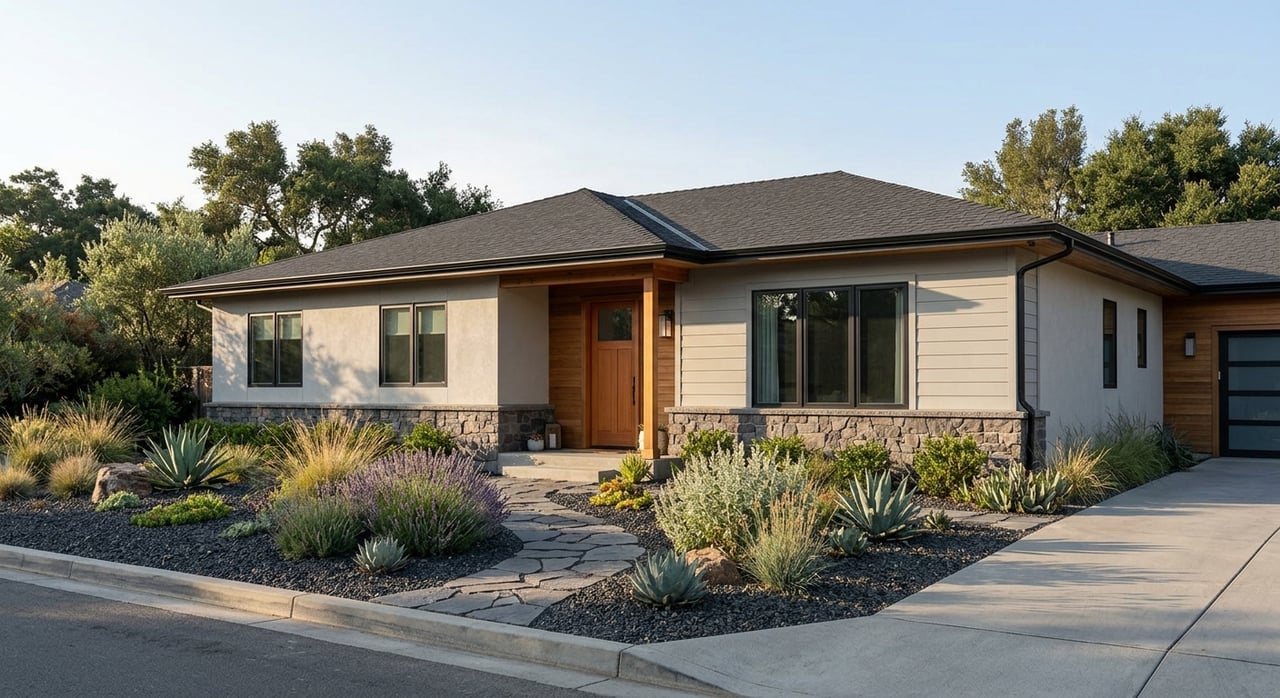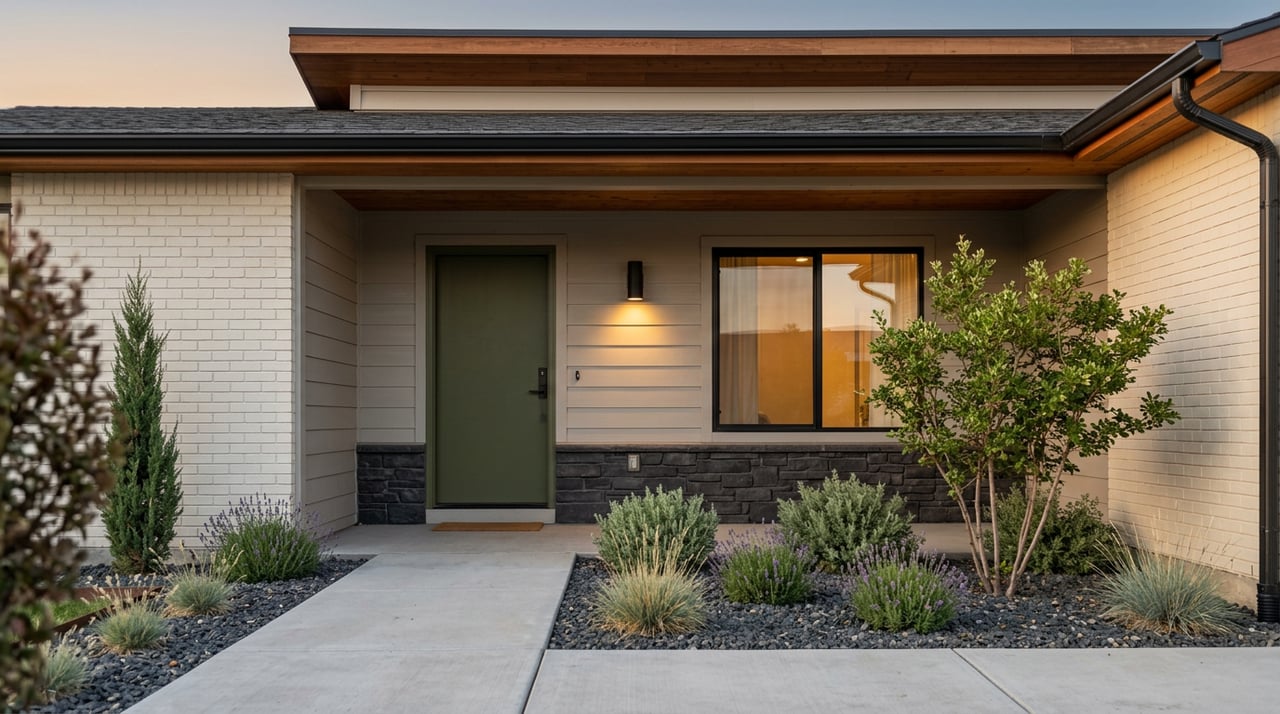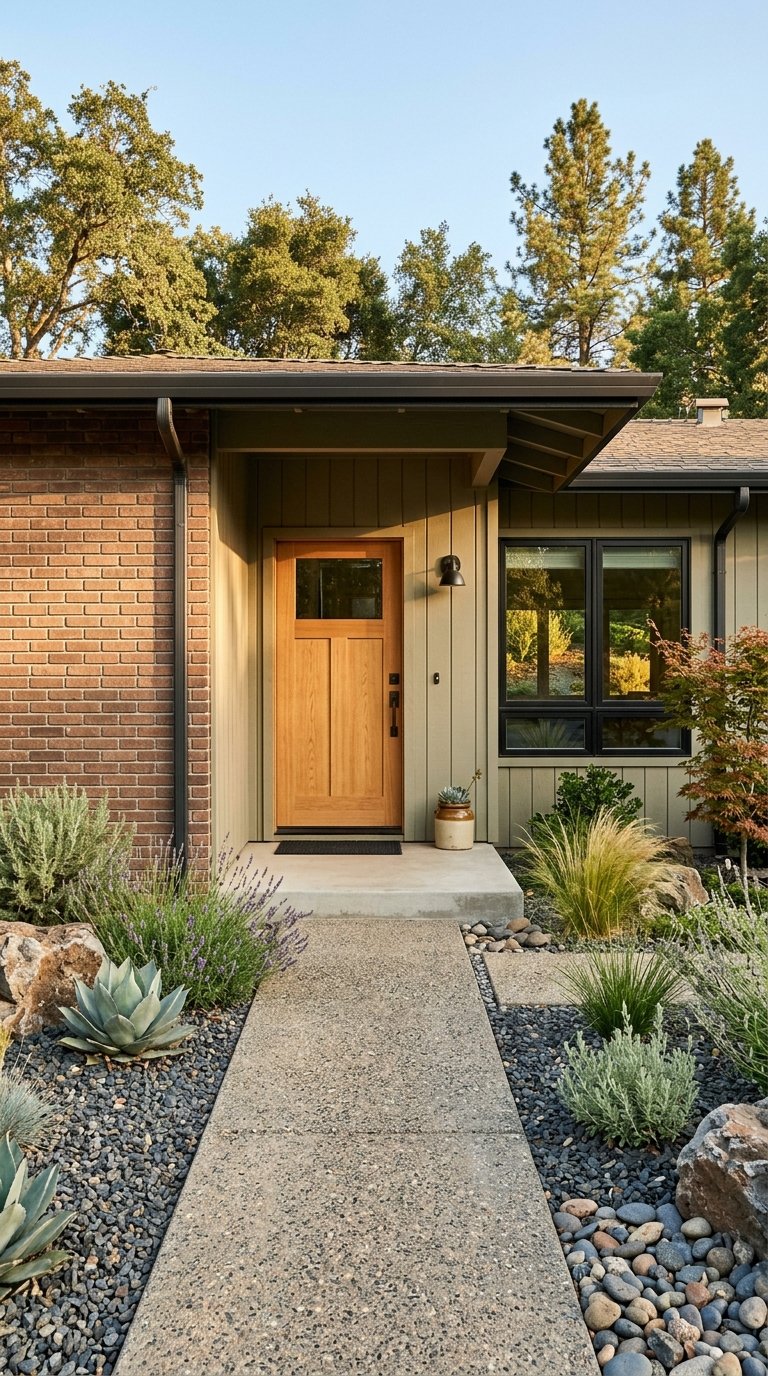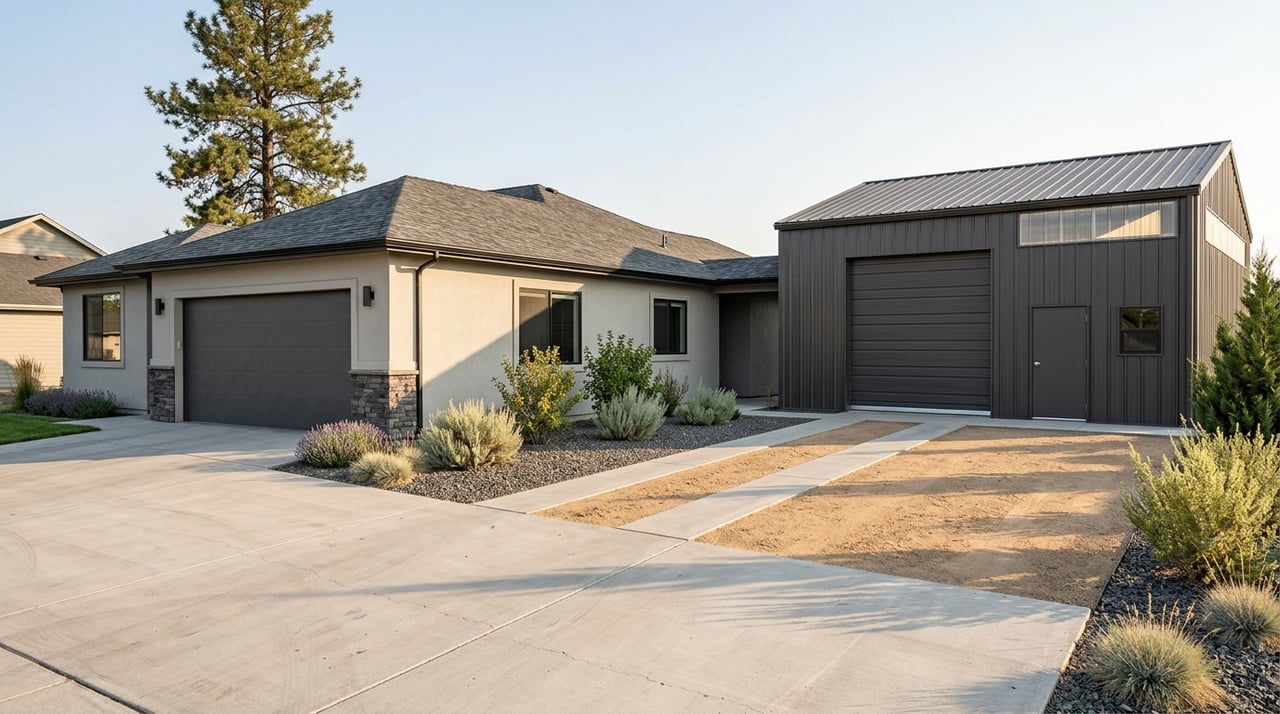
If you are trying to sell your current home and buy your next one at the same time in Richland, you are not alone. This is one of the most common stress points for local homeowners because you are balancing two major timelines, two sets of paperwork, and a moving plan that has very little room for surprises. The good news is that with the right strategy, clear communication, and a backup plan, you can make the process far more manageable. Let’s dive in.
Why timing feels tricky in Richland
Richland is part of the larger Tri-Cities housing market, which includes Kennewick, Pasco, and West Richland. That matters because your sale and your purchase may happen in connected markets that move at different speeds and at different price points.
Recent local snapshots show that Richland had a median sale price of $510,000 in March 2026, while Pasco was about $429,778 in April 2026 and West Richland was about $471,756 in April 2026. Richland homes were averaging about 60 days on market, and the area is described as somewhat competitive. In plain terms, that means your current home and your next home may not line up neatly on the same calendar.
Think in two timelines
When you are selling and buying at the same time, it helps to stop thinking about one perfect closing day. Instead, think about two linked timelines that need to be coordinated carefully.
One timeline is your sale. The other is your purchase. Each has its own pricing, negotiations, contingencies, inspections, lender steps, and closing deadlines, which is why a local plan matters more than a one-size-fits-all approach.
Your main sequencing options
Sell first, then buy
This is often the cleanest option if you want to know exactly how much money you will have from your sale before you write an offer on the next home. It can also make your purchase offer stronger because you may not need to ask the seller to accept a home-sale contingency.
The downside is simple. If your next home is not ready in time, you may need temporary housing, storage, or a short rent-back arrangement after closing.
Buy first, then sell
This option can work if you have enough cash, equity, or borrowing ability to carry both homes for a period of time. Some buyers use a bridge or swing loan when the lender confirms they can handle the current mortgage, the new mortgage, the bridge financing, and other monthly obligations.
This path can reduce moving stress because you may be able to move once and list your current home after you are settled. But it is not the right fit for every household, so your lender needs to help you understand the numbers early.
Close both around the same time
This is the option many homeowners hope for because it can reduce the need for temporary housing. In a financed purchase, the loan closing and home purchase closing typically happen at the same time, which can make same-day or near-same-day moves possible.
Still, this approach leaves less room for delays. If lender documents, title or escrow timing, walk-throughs, or moving logistics shift at the last minute, the whole plan can get tight very quickly.
Contract tools that can reduce risk
A smart plan is not just about choosing a sequence. It is also about using the right contract terms to protect your timeline.
For many Richland-area homeowners, the most useful tools include:
- Home-sale contingency if your next purchase depends on selling your current home
- Home-close contingency if your current home is already under contract but has not closed yet
- Rent-back agreement if you need extra time in the home after closing
- Kick-out clause if a seller wants to keep marketing the property while your contingency is in place
- Continue-to-show clause if a seller wants flexibility while waiting on your sale
If a contingency is not met within the agreed timeline, the parties may be able to cancel without penalty when acting in good faith. That is why it is so important to define deadlines clearly before the first offer is signed.
Washington rules that can affect your schedule
Seller disclosure timing matters
In Washington, residential sellers are generally required under RCW 64.06 to provide a seller disclosure statement. In most sales, that disclosure must be delivered no later than five business days after mutual acceptance unless the parties agree otherwise.
After receiving it, buyers generally have three business days to rescind. If a seller learns new material information before closing, the disclosure must be amended, and that can create an additional rescission right or a closing-date extension depending on the timing.
For you, that means disclosure timing is not just paperwork. It can directly affect whether your sale closes in time to support your purchase.
Lender timing is not flexible at the end
For financed purchases, the Closing Disclosure must be delivered at least three business days before closing. Even if your movers are booked and your calendar looks set, a loan change near the finish line can push the closing date back.
That final lender window is one reason same-week closings require close coordination. It is not enough to have a target date. Everyone involved has to stay on the same page the entire way through.
Washington sale costs affect proceeds
Washington real estate excise tax, or REET, applies to most property sales and is usually paid by the seller. The current state rate is 1.10 percent up to $525,000, then 1.28 percent from $525,000.01 to $1,525,000, with higher rates above that, plus the local rate.
Richland’s local REET rate is 0.50 percent. Because REET is due on the date of sale, your projected net proceeds matter if you are relying on that money for your next purchase.
Property tax timing can affect cash flow
In Benton County, property taxes are due April 30 for the first half or full amount and October 31 for the second half. If you may briefly own two homes at once, these due dates are worth discussing early with your lender and closing team.
Even a short overlap can affect your cash flow more than expected. That is especially true if you are also paying for movers, storage, utility setup, and closing costs.
Build one master moving timeline
The easiest way to reduce stress is to create one shared calendar for the entire move. Instead of tracking your sale, purchase, and move in separate places, put every major date in one master timeline.
Your timeline should include:
- Listing date
- Offer acceptance dates
- Inspection deadlines
- Seller disclosure delivery
- Appraisal timing
- Lender milestones
- Closing Disclosure timing
- Final walk-through
- Utility transfers
- Mover scheduling
- Key handoff dates
This kind of planning is especially helpful in the Tri-Cities, where your sale may be in Richland and your next purchase could be in Pasco, Kennewick, or West Richland. The markets are connected, but they do not always move the same way.
Compare the next move carefully
If you are moving within the same region, it is easy to assume the numbers will stay roughly the same. In reality, price differences across nearby cities can change your financing plan, your monthly payment, and the amount of equity you want to carry into the next purchase.
For example, a homeowner selling in Richland may find different pricing in Pasco or West Richland even for a similar amount of space. That is why your buy-side plan should be based on current local price bands, not assumptions from your current neighborhood alone.
Have a backup housing plan early
Even well-planned moves can hit a delay. A financing update, disclosure amendment, inspection issue, or moving problem can throw off the schedule.
That is why it helps to decide ahead of time what your fallback plan will be. For most local homeowners, the practical options are:
- Temporary housing
- Short-term storage
- A negotiated rent-back
- A short overlap period if finances allow
A backup plan does not mean you expect the deal to go wrong. It means you are protecting your peace of mind if one part of the chain takes longer than expected.
Don’t forget local move-in details
In Richland, moving is not only about boxes and closing documents. The city provides full-service utilities and services, including water, sewer, electric, police, fire, library, and development services, along with solid waste and recycling.
That means your move checklist should also include utility transfers and service scheduling. Weekly garbage and yard waste pickup, plus separate recycling schedules, are small details that become big details on move week.
What a smoother same-time move looks like
A smoother move usually starts with a simple question: What needs to happen first for your household to feel financially and logistically secure? For some homeowners, that means selling first and locking in proceeds. For others, it means buying first to avoid a rushed move.
The right answer depends on your equity, your budget, your flexibility, and the type of home you want next. In a connected market like Richland and the Tri-Cities, success usually comes from building a strategy around your real numbers and your real timeline, not chasing a perfect scenario.
When you have a clear plan for sequencing, contingencies, lender timing, disclosure deadlines, and backup housing, the process becomes much more manageable. If you want help mapping out both sides of your move in Richland or anywhere in the Tri-Cities, reach out to Desert Edge Realty Group for a clear, local game plan.
FAQs
How does selling and buying at the same time work in Richland?
- It usually works through one of three approaches: sell first, buy first, or coordinate both closings close together, with contingencies and backup plans used to reduce risk.
What is the safest way to sell a home and buy another in Richland?
- Selling first is often the safest path because you know your sale proceeds before buying, but the best option depends on your finances, timing needs, and housing flexibility.
Can a Richland home purchase depend on selling my current home?
- Yes. A home-sale contingency or home-close contingency may help protect you if your purchase depends on your current home selling or closing first.
What Washington seller disclosure rules affect a same-time move?
- In many residential sales, the seller disclosure statement must be delivered within five business days after mutual acceptance unless agreed otherwise, and buyers generally have three business days after receipt to rescind.
When do I get the Closing Disclosure for a Richland home purchase?
- For a financed purchase, the Closing Disclosure must be provided at least three business days before closing, and changes near closing can delay the final date.
What taxes should Richland sellers plan for before buying again?
- Sellers should plan for Washington real estate excise tax, including the state rate and Richland’s local 0.50 percent rate, because that affects net proceeds available for the next purchase.
Why should Richland movers compare Tri-Cities price points?
- Richland, Pasco, Kennewick, and West Richland can sit in different price bands, so comparing local numbers can change your financing strategy and your home search plan.
What backup plans help when a Richland sale or purchase is delayed?
- Common backup plans include temporary housing, storage, a negotiated rent-back, or a short overlap period if your budget allows.