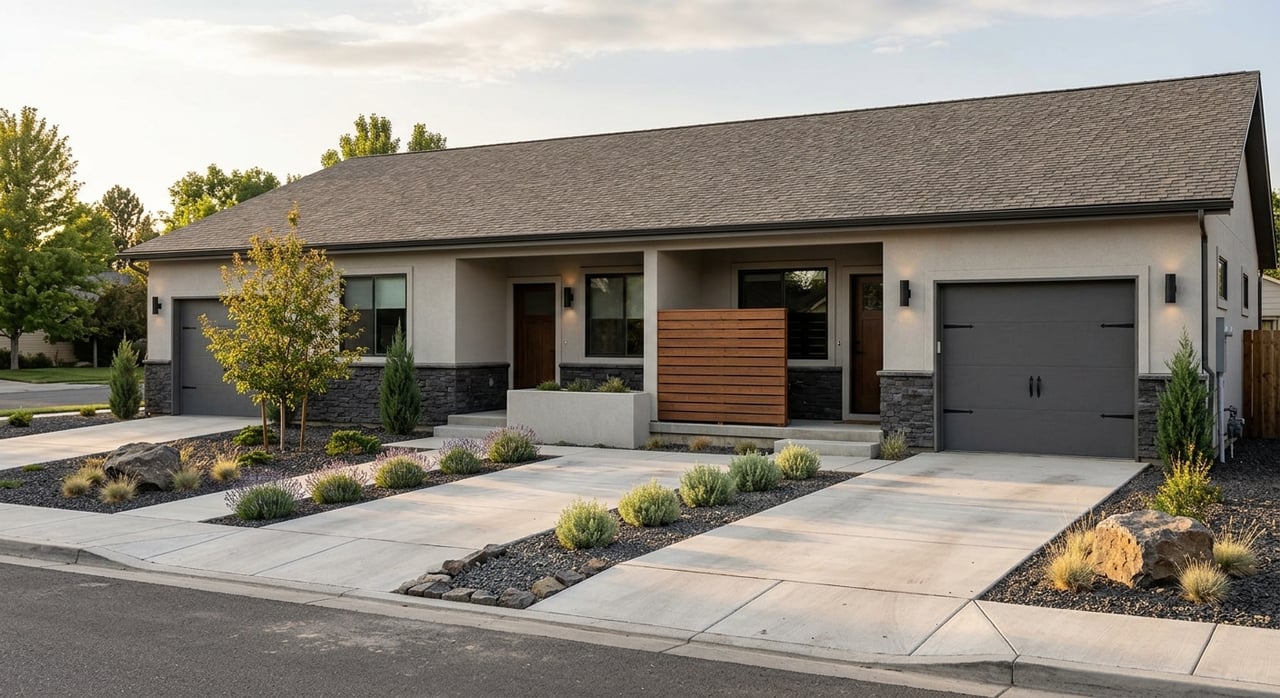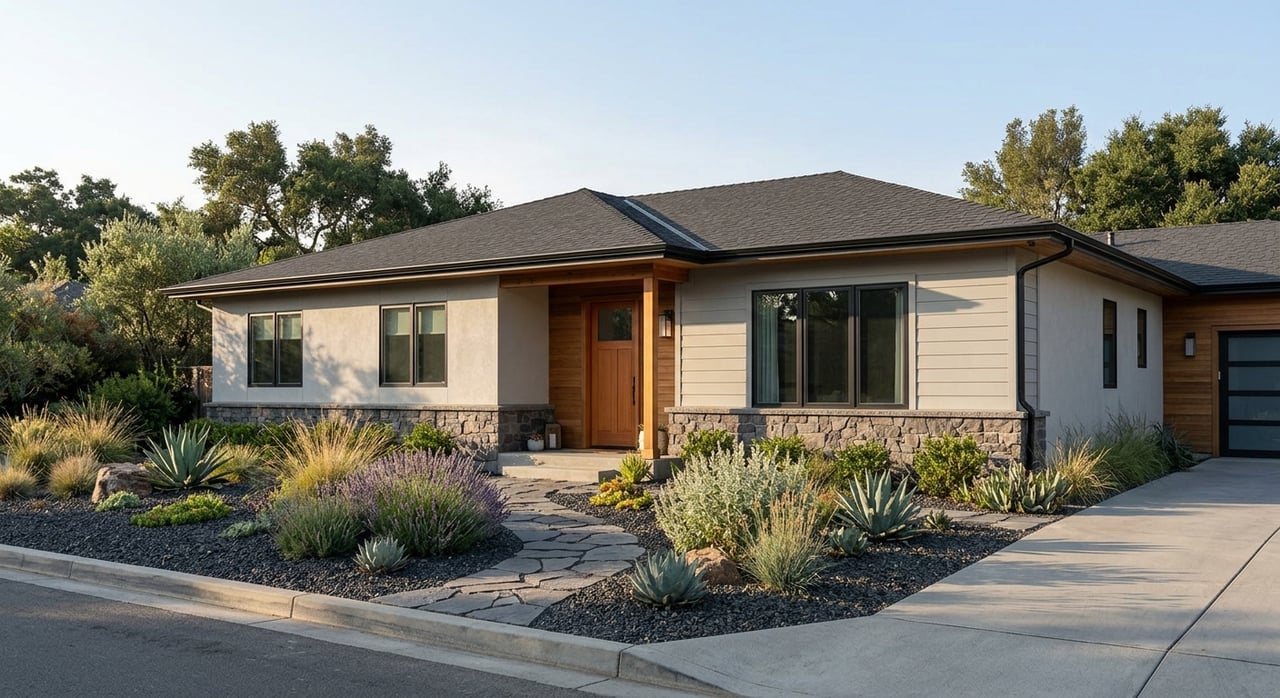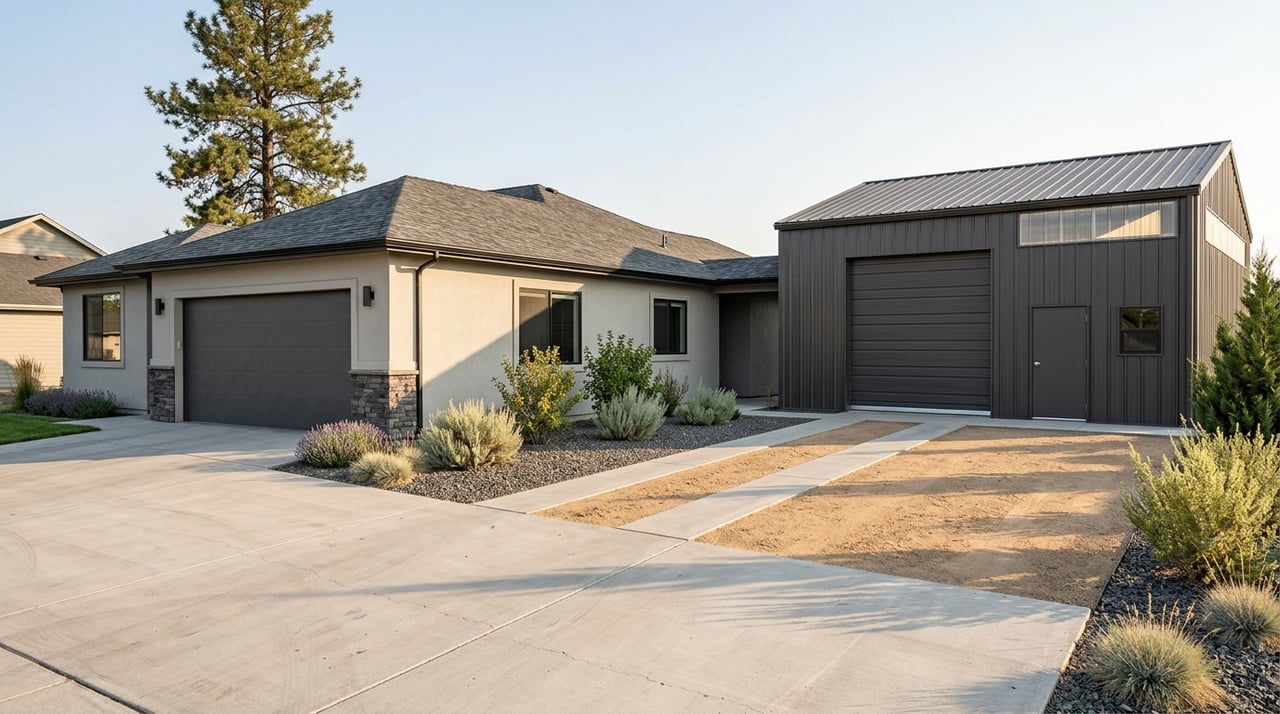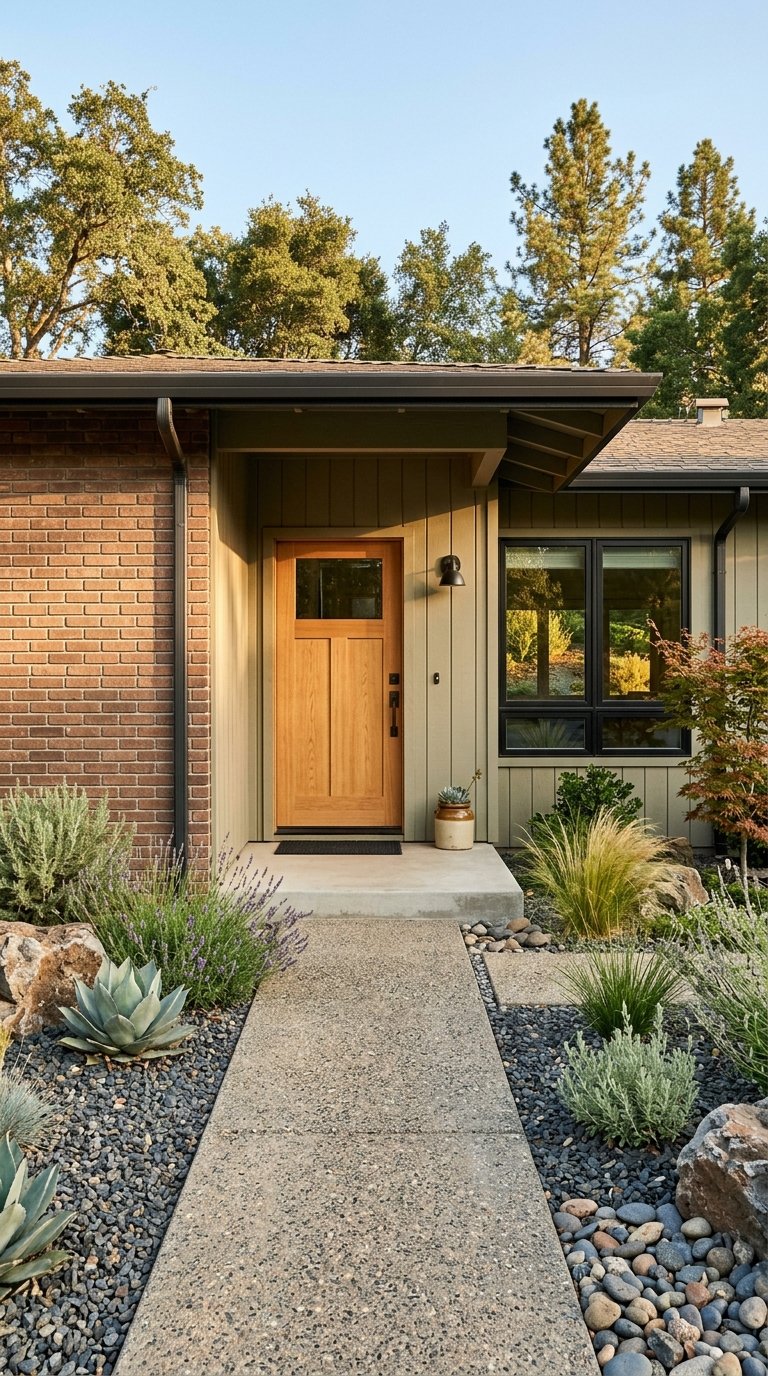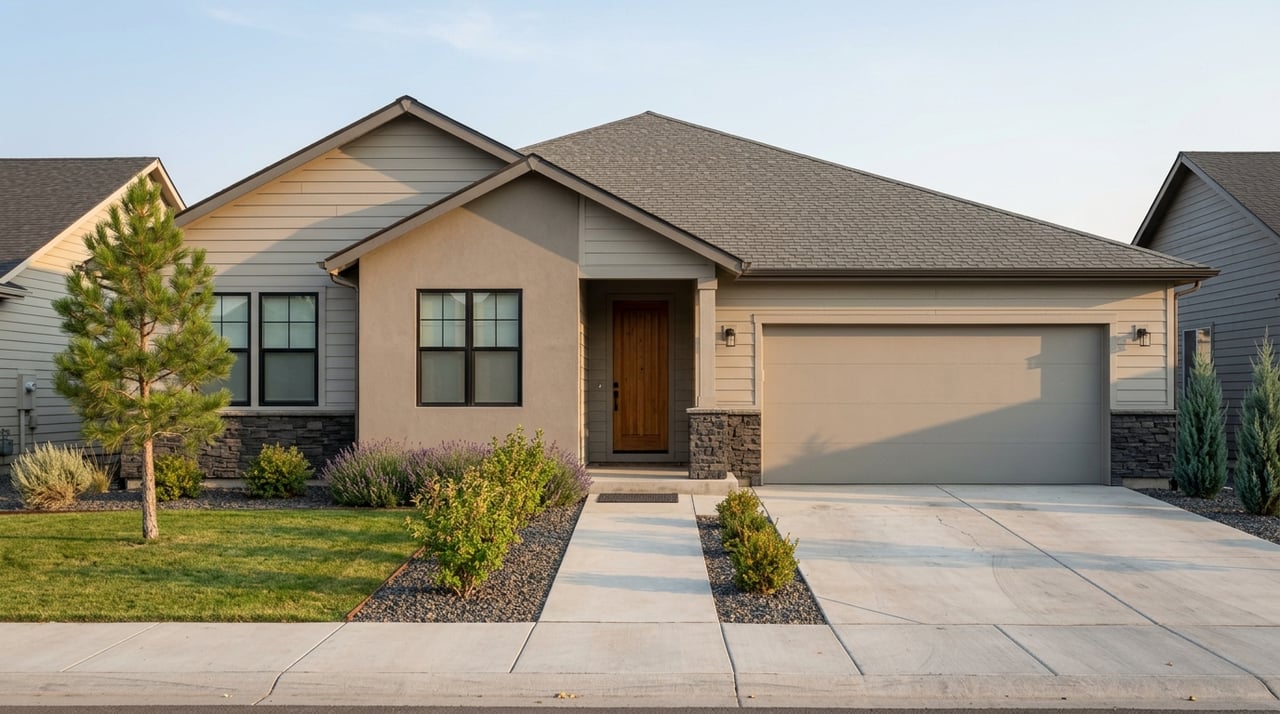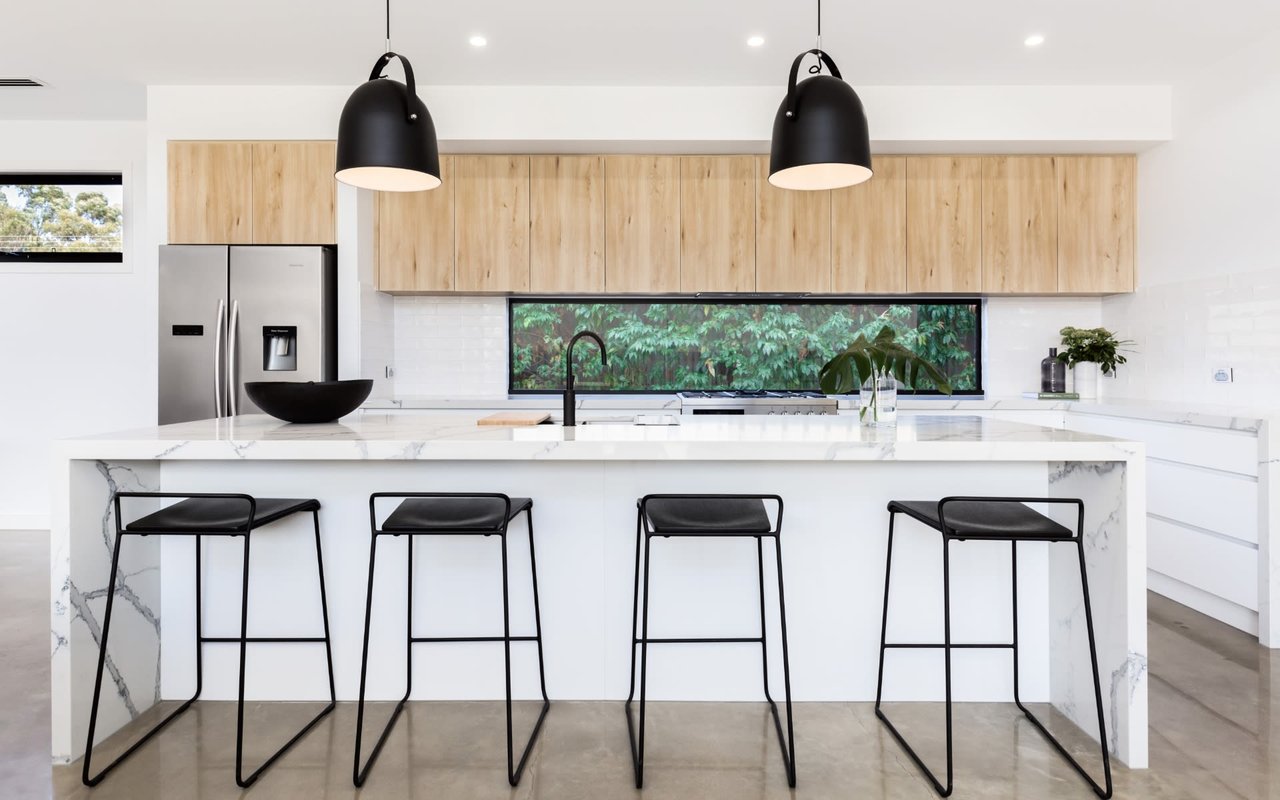
Buying a brand-new home in West Richland can feel exciting right up until the details start piling up. You may be comparing a quick move-in home, a presale with design choices still open, or a custom build that takes months to complete. The good news is that if you understand the process, the timing, and the local rules that affect occupancy and utilities, you can make a more confident decision. Let’s dive in.
West Richland new construction works differently
West Richland is actively planning for future growth, with the city working on a major update to its Comprehensive Plan through 2026. That matters because development in the city does not happen in a vacuum. Even when a project does not require every possible review step, land use and zoning rules still apply.
If you are buying new construction, it helps to remember that a home is not just a floor plan and a finish package. It is also a property moving through local review, utility setup, inspections, and final approval. Those pieces can affect your timing, your monthly costs, and your move-in date.
Know the three main new-build paths
Most buyers in West Richland will look at one of three options: spec homes, presales, or custom builds. Each one comes with a different balance of convenience, flexibility, and risk.
Spec homes offer the fastest path
A spec home is usually built already or close to completion. That often means less uncertainty around construction timing and a shorter wait to closing.
Even so, new does not automatically mean problem-free. A home inspection is still important because Washington inspection standards are visual and not technically exhaustive, which means some issues may not be obvious at first glance.
Presales give you more choices
A presale is a home that is not finished yet, or in some cases not started yet, when you sign the contract. This option can give you more say in finishes, features, or upgrades, depending on the builder’s stage and policies.
The tradeoff is more schedule uncertainty. Builders may also ask for an upfront builder deposit, so you should understand exactly when that money is refundable and when it is not.
Custom builds require the most coordination
Custom construction usually gives you the most control over the final product, but it also asks the most from you in planning and patience. Permit processing, plan review, contractor coordination, and staged inspections can all become part of the timeline.
West Richland notes that single-family dwellings and duplexes are generally exempt from the city’s pre-application conference requirement, but projects that require city permits still go through review. The city also requires contractors and subcontractors to hold a valid city business license and a current Washington contractor license and registration before actual construction work begins.
Budget beyond the mortgage payment
One of the easiest mistakes in a new construction purchase is focusing only on price and forgetting the monthly ownership picture. In West Richland, utility planning should be part of your budget from the start.
The city provides water, sewer, stormwater, garbage, and irrigation where available. Electricity is served by Benton REA, gas is served by Cascade Natural Gas where available, and irrigation is usually through Columbia Irrigation District, with a smaller area served by Kennewick Irrigation District.
Just as important, West Richland states that base utility fees are charged whether or not the services are used. That means your monthly costs may include more than principal, interest, taxes, and insurance. When you compare homes, ask for a realistic estimate of recurring utility charges so your payment expectations stay grounded.
Financing can make or break the timeline
With new construction, financing is not just about getting approved. It is also about matching your loan strategy to the build schedule.
Consumer guidance in the research report recommends getting preapproved and shopping for loan choices before committing to a home. If you are considering a custom build or a lot-plus-build purchase, construction financing may come into play. These loans are typically short-term, funded in stages as work progresses, and may carry higher rates than a standard long-term mortgage.
Rate locks need careful planning
Rate locks matter in any purchase, but they can become especially tricky with new construction. A rate lock typically protects your interest rate only if you close within the stated time period and your application does not materially change.
If the home is delayed, your lock could expire before closing. Extensions may cost money, so it is smart to talk early with your lender about realistic build timing and what happens if the schedule shifts.
Builder lender pressure is not the same as obligation
In a builder-led purchase, you may be encouraged to use the builder’s affiliated lender. The research report makes clear that you are not required to do that.
You can shop around for loan options and compare terms. That one step can help you make a cleaner decision, especially if incentives are being offered and you need to weigh them against the total loan cost.
Contract terms deserve close attention
A new construction contract can be more complex than a typical resale contract. The details around deposits, timelines, financing, inspections, and completion standards matter.
Two protections highlighted in the research report are especially important: a financing contingency and a satisfactory inspection contingency. These can help protect you if your loan falls through or if serious defects are found before closing.
You should also ask direct questions about:
- Builder deposit terms
- Upgrade pricing and change-order rules
- Estimated completion timeline
- What happens if materials or labor delays occur
- When utilities are expected to be ready
- Whether the home will close only after final approval or under a temporary certificate of occupancy
Written answers matter more than verbal reassurance. In new construction, clarity now can prevent stress later.
Occupancy depends on final approvals
One of the biggest misunderstandings in new construction is assuming you can move in as soon as the house looks finished. In West Richland, appearance is not the same as approval.
City code states that the building official will not issue a certificate of occupancy until all required city, state, and federal approvals are obtained. The city can also deny permanent utility service until a certificate of occupancy or temporary certificate of occupancy has been issued.
That means a home may look complete while still not being ready for legal occupancy. If your moving timeline is tight, ask early about the status of approvals and utility activation, not just the construction punch list.
Inspections still matter on a new home
Some buyers assume a new house does not need an independent inspection because the city inspects construction along the way. That is not the safest approach.
Washington’s residential code requires inspections during several stages of permitted new construction, including footing and foundation, framing and rough-in, plumbing rough-in, mechanical rough-in, and final inspection. Work must remain visible and accessible until approved, and the home cannot be occupied until the final inspection is approved.
City inspections and buyer inspections are not the same
A city inspection helps confirm code compliance at required stages. An independent home inspection is different. It is your opportunity to have a professional working for you look for visible issues before closing.
Washington home inspections are visual and non-exhaustive, which means they do not cover every possible hidden defect. The required preinspection agreement also states that issues like mold, asbestos, lead paint, and certain environmental concerns are excluded unless separately agreed to in writing.
That is why documentation and timing matter. If your contract includes a satisfactory inspection contingency, you may have meaningful options if the inspection turns up concerns before closing.
After closing, keep records
Your job is not over the day you get the keys. If a problem shows up after closing, your records may become important.
Washington construction defect law requires a written notice of claim before a lawsuit and gives the construction professional an opportunity to inspect and respond. The law also includes a homeowner notice about the builder’s opportunity to offer a cure before litigation begins.
In practical terms, it helps to keep photos, emails, warranty information, inspection reports, and written repair requests organized from the start. Good records can make a post-closing issue easier to address.
Why buyer representation helps in builder purchases
A builder’s sales team works on the builder’s side of the transaction. That does not mean the experience has to be adversarial, but it does mean you should understand who is guiding which interests.
Washington law now makes the agency relationship and compensation structure part of the formal brokerage arrangement. A buyer’s broker who performs services for you is generally your buyer’s agent unless arranged otherwise, and the firm must enter into a services agreement before, or as soon as reasonably practical after, brokerage services begin.
The same law says a buyer’s agent must act loyally, disclose conflicts, keep your confidential information private, and advise you to seek expert help on matters outside the agent’s expertise. In a new-construction purchase, that support can be especially useful when deadlines, deposits, financing, inspection timing, occupancy approvals, and utility readiness all need to stay aligned.
A smart West Richland new-build plan
If you want a smoother purchase, focus on a few basics from day one. Get clear on which type of new construction fits your risk tolerance, budget realistically for utilities and ownership costs, line up financing that matches the build timeline, and do not treat inspections as optional.
Most of all, slow down enough to get the important answers in writing. In West Richland, a successful new construction purchase is not just about choosing the right home. It is about understanding the process that gets you from contract to legal occupancy with fewer surprises.
If you are weighing a spec home, presale, or custom build in West Richland, Desert Edge Realty Group can help you think through the timing, paperwork, and local details with calm, clear guidance.
FAQs
What should you budget for with a new construction home in West Richland?
- In addition to principal, interest, taxes, and insurance, you should estimate utility costs carefully because West Richland states that base utility fees are charged regardless of whether services are used.
What is the difference between a spec home and a presale in West Richland?
- A spec home is usually complete or near completion and often has less schedule uncertainty, while a presale usually offers more design choices but can involve more timing risk and builder deposit questions.
Can you move into a new build in West Richland before final approval?
- No. West Richland states that a building cannot be occupied before a certificate of occupancy or temporary certificate of occupancy is issued, and permanent utility service may also depend on that approval.
Do you still need an inspection on a newly built home in Washington?
- Yes. City inspections and independent home inspections serve different purposes, and an independent inspection gives you a buyer-focused review of visible issues before closing.
Can you use your own lender for new construction in West Richland?
- Yes. The research report states that buyers are not required to use a builder’s affiliated lender and can shop around for better loan options.
Why is a buyer’s agent helpful in a West Richland new construction purchase?
- A buyer’s agent can help you stay organized around contract deadlines, financing, inspections, deposits, occupancy timing, and written communication throughout a builder-driven transaction.