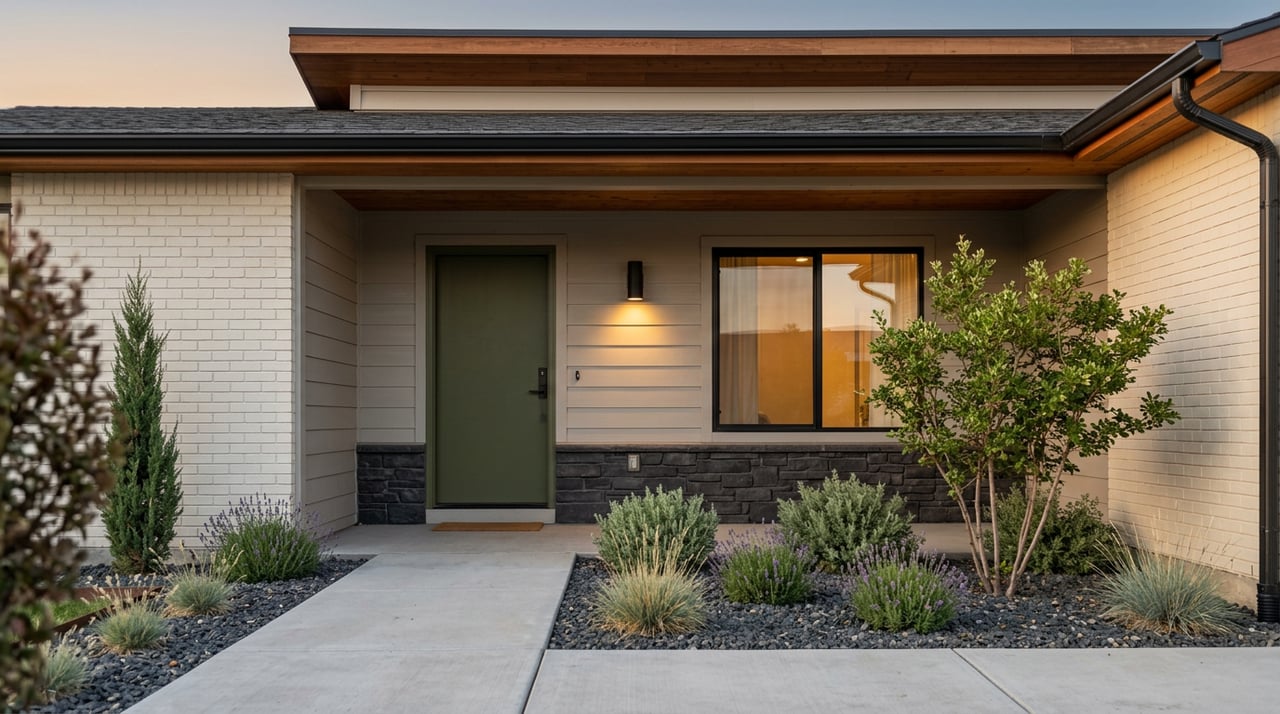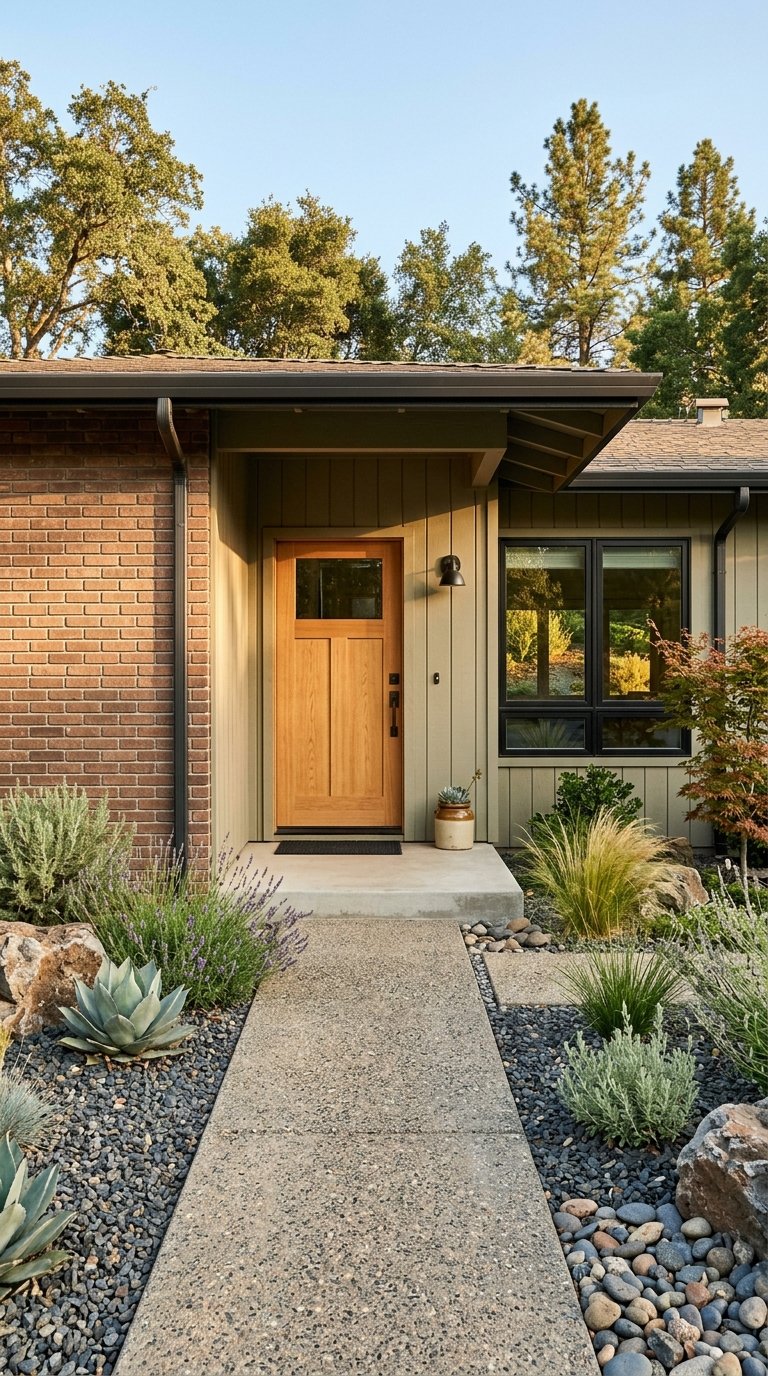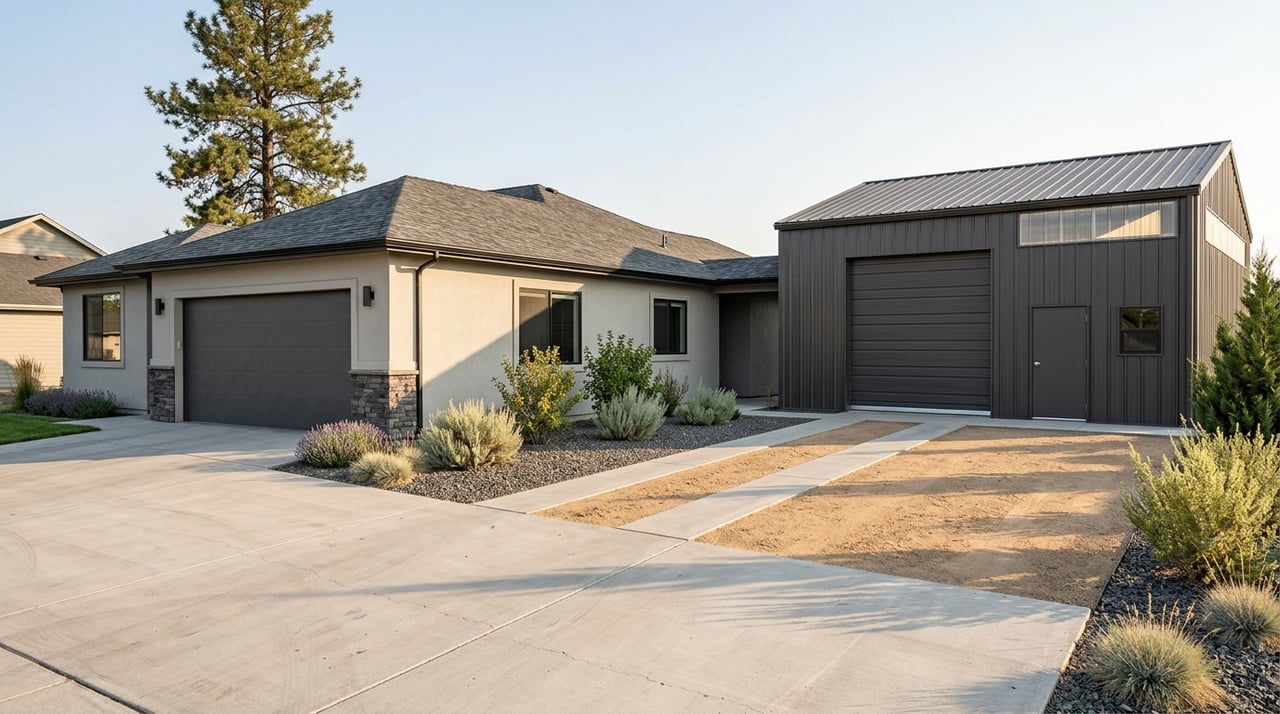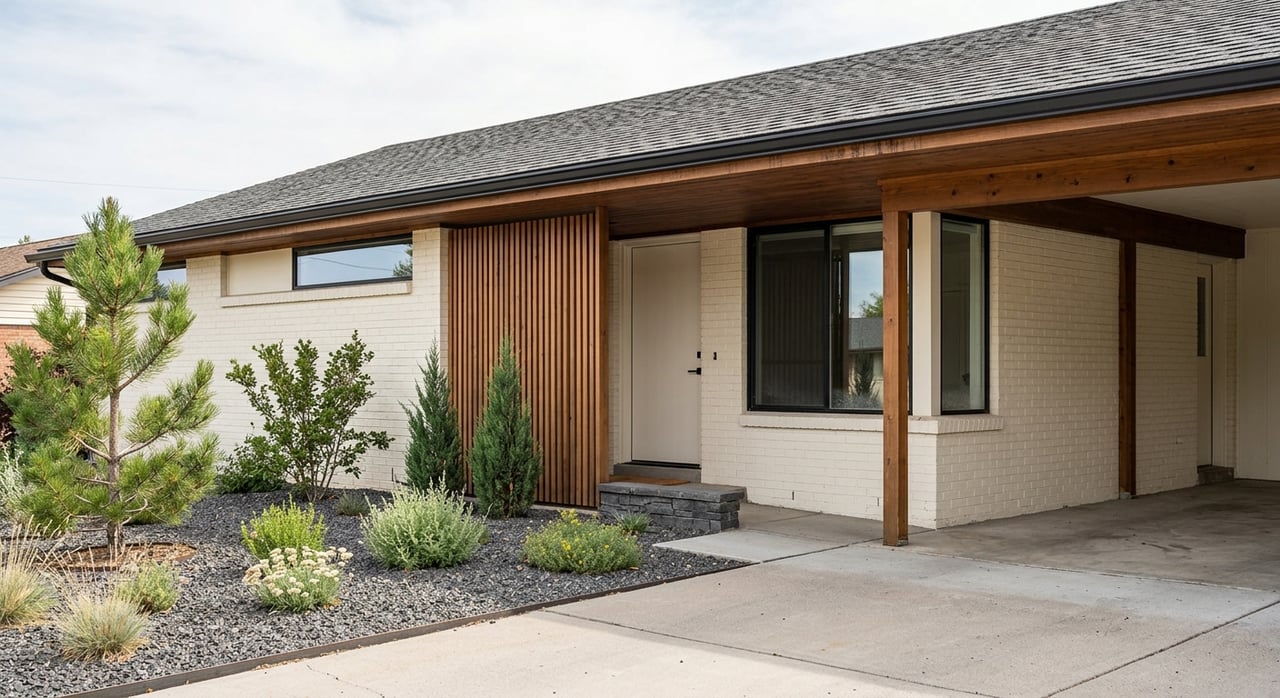
Trying to choose between West Richland and Richland can feel harder than it sounds. On paper, they sit close together, but the day-to-day experience of living in each city can be very different. If you want more clarity before you buy, this guide will help you compare home styles, commute patterns, amenities, and overall feel so you can make a confident move. Let’s dive in.
Start With Daily Lifestyle
If your goal is more space and a quieter residential setting, West Richland may stand out right away. It is the smaller city, with 18,820 residents spread across 22.12 square miles, which creates a lower population density than Richland. Richland, by comparison, has 64,372 residents across 39.23 square miles, so it generally feels more built out and active.
That difference shows up in everyday routines. West Richland tends to feel more suburban and detached-home oriented, while Richland offers a more mixed city pattern with more housing variety and easier access to commercial areas. Neither choice is better across the board. The right fit depends on how you want your week to look.
Compare Housing Patterns
West Richland leans detached and yard-oriented
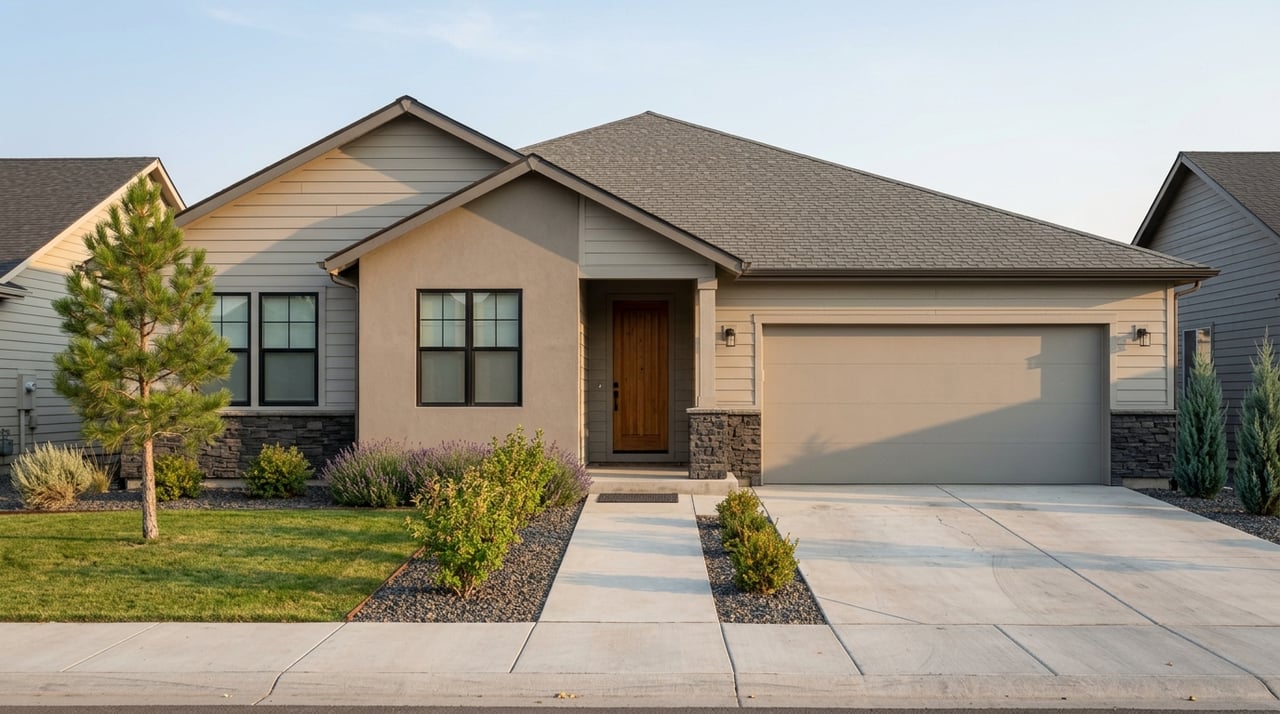
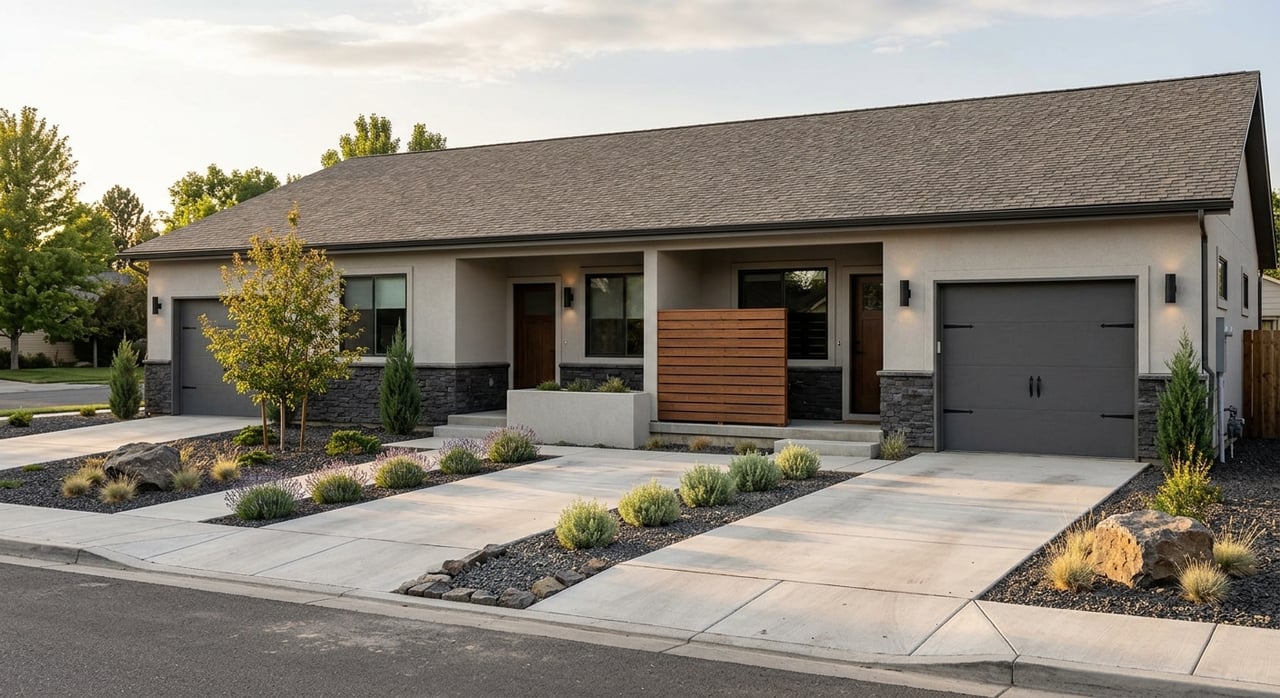
West Richland’s long-term planning documents show that single-family homes dominate the housing stock. The city reported that single-family housing grew from 63% of the stock in 1991 to 79% by 2006, and most housing growth over the prior 25 years came from single-family construction. That pattern helps explain why many buyers experience West Richland as a place with more detached homes, more yard space, and a more residential pace.
The zoning code supports that impression. In some areas, West Richland allows one-acre single-family lot standards, while higher-density districts still include options like townhouses, rowhouses, and multifamily housing. So while the city is not only one type of housing, its overall pattern still leans toward space and separation.
Richland offers more housing variety
Richland has a more layered housing map. Its zoning includes multiple single-family districts, medium-density districts, and a multifamily district, with lot sizes that range from larger single-family parcels down to smaller-lot housing and multifamily formats. City planning materials also support accessory dwelling units, apartments or condominiums above commercial uses, live/work housing, co-housing, and mixed-use development in certain areas.
For you as a buyer, that means Richland may offer more choices if you want a smaller lot, attached housing, or a location near downtown or other mixed-use areas. If flexibility matters more than lot size, Richland may give you more options to work with.
Cost Is Not the Simple Tiebreaker
A lot of buyers assume West Richland will always be the less expensive option, but the data does not support that as a blanket rule. Recent Census estimates show median owner-occupied home value at $448,300 in West Richland and $436,700 in Richland. Median gross rent was also a little higher in West Richland at $1,590 compared with $1,468 in Richland.
That does not mean one city is always pricier than the other in every neighborhood or price point. It does mean you should avoid making a decision based on broad assumptions. In this comparison, lifestyle fit may matter more than expecting one city to deliver automatic savings.
Think About Commute and Transportation
West Richland is more connector-based
West Richland’s mean commute time is 24.5 minutes, compared with 20.4 minutes in Richland. That is not a huge difference, but it is enough to notice if you are driving back and forth most days. The city’s transportation system is built around efficient vehicle travel, with key corridors like SR 224 and Van Giesen, Bombing Range Road, and Keene Road playing an important role.
West Richland also has transportation amenities beyond roads, including 185 lane miles, 5 miles of improved pathways and trails, 6 miles of bicycle lanes, and 4 traffic signals. Still, from a practical standpoint, many trips are shaped by main connectors rather than a tighter grid of neighborhood-to-neighborhood routes.
Richland supports more internal mobility
Richland has a more explicit multimodal transportation approach. City planning highlights improvements for roads, sidewalks, shared streets, and bicycle facilities, and the Downtown Loop project includes barrier-separated two-way bike lanes, wider sidewalks, upgraded lighting, and better pedestrian crossings.
If you want a place where it may be easier to move around within the city itself, Richland may feel more connected. If you are comfortable with a more car-oriented pattern and slightly longer average drive times, West Richland can still be a strong fit.
Look at Amenities and Recreation
West Richland keeps things more local
West Richland has a smaller commercial footprint. Its comprehensive plan reported that the city held less than 3% of Benton County’s commercial square footage in 2016, and retail sales per capita are much lower than Richland’s. In practical terms, that suggests fewer in-city shopping and dining options.
That said, West Richland still offers strong outdoor amenities. The city has 14 developed parks, including the Bombing Range Sports Complex, and its parks master plan says it maintains 9.3 miles of paved and unpaved trails and paths. If you value neighborhood parks, open space, and a quieter home base, that can be a major plus.
Richland offers more destination-style access
Richland has a broader commercial and recreation profile. City materials point to places and experiences tied to downtown, Columbia Point, river-oriented amenities, trails, golf, library services, and recreation programming. Commercial zoning also supports mixed-use and higher-density areas, especially in the central business district and waterfront districts.
For many buyers, the appeal is convenience. If you want quicker access to dining, shopping, events, waterfront spaces, and a more active urban mix, Richland often checks more of those boxes.
Notice the Demographic Pattern
West Richland has a higher owner-occupancy rate at 83.4%, compared with 64.4% in Richland. It also has larger average households, a younger age profile, and a slightly higher share of residents who lived in the same house one year earlier. Those patterns can suggest a more stable, ownership-focused feel.
Richland has a larger renter share and a more urban demographic mix. That does not make one city better than the other, but it can affect the rhythm of a neighborhood. If you are looking for a stronger detached-home ownership pattern, West Richland may align better with that goal.
Ask Yourself These Practical Questions
Before you decide, it helps to focus less on city names and more on how you want to live. A few questions can quickly narrow the field:
- Do you want a detached home with more yard space?
- Would you rather have more housing types to choose from?
- How important is a shorter average commute?
- Do you want easier access to shopping, dining, and downtown activity?
- Would you prefer a quieter residential setting with local parks and trails?
- Are you open to attached housing, mixed-use areas, or a smaller lot?
If your answers lean toward space, detached homes, and a more suburban pace, West Richland may feel more natural. If your answers lean toward flexibility, convenience, and access to more city-scale amenities, Richland may be the better match.
The Best Choice Depends on Your Priorities
West Richland and Richland are close neighbors, but they serve buyers in different ways. West Richland generally offers a smaller, less dense, more owner-occupied setting with a detached-home pattern and a quieter pace. Richland generally offers more housing variety, slightly shorter commute times, and easier access to shopping, dining, downtown, and waterfront amenities.
The key is not finding the “better” city. It is finding the better fit for your budget, routine, and long-term plans. If you want help comparing neighborhoods, property types, or commute tradeoffs in the Tri-Cities, Desert Edge Realty Group can help you sort through the options with clear, local guidance.
FAQs
Is West Richland cheaper than Richland for homebuyers?
- Not necessarily. Census estimates show median owner-occupied home value at $448,300 in West Richland and $436,700 in Richland, so West Richland is not automatically the lower-cost option.
Does West Richland have larger lots than Richland?
- In general, West Richland is more associated with detached homes and larger-lot patterns, and its zoning includes some one-acre single-family standards, while Richland supports a wider range of smaller-lot and multifamily options.
Is Richland better for buyers who want more amenities nearby?
- Richland generally offers closer access to shopping, dining, downtown activity, waterfront areas, recreation programming, and mixed-use districts.
Is West Richland more suburban than Richland?
- Broadly, yes. West Richland is smaller, less dense, and more owner-occupied, with a housing pattern that leans more heavily toward single-family homes.
Which city has the shorter average commute, West Richland or Richland?
- Richland has the shorter average commute based on Census data, at 20.4 minutes compared with 24.5 minutes in West Richland.
Should you choose West Richland or Richland if you are relocating to Tri-Cities?
- It depends on your priorities. West Richland may fit better if you want more space and a quieter residential setting, while Richland may fit better if you want more housing variety and easier access to amenities.